

Less From Stevens Means More for Rams
Valuing each possession has raised junior's level of play
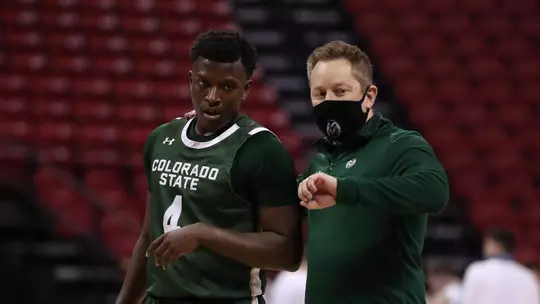
As is customary at the end of every season, Niko Medved sits down with all of his players. They discuss the season behind them and the one approaching. The goal is to find what the player, and thus the team, can improve upon to raise the bar.
No one is immune from constructive criticism. It is something Isaiah Stevens embraces, even after producing an All-Mountain West campaign.
“He’s gonna say something. As much as I may or may not want it to happen, he’s going to say something, and that’s why I appreciate him as much as I do,” Stevens said of his Colorado State men’s basketball head coach. “There’s always another level to it, and he lets that be known very clearly. I know there’s room for improvement. Not once have I been satisfied, nor have they been satisfied with me or my play, so I feel that keeps everybody driving for more and more and more. That’s why I love this program.”
The focus of their conversation a year ago was about less and less and less. As in turnovers. As creative as Stevens is with the ball for the Rams, he was also a bit careless with it at times, averaging 3.0 turnovers per game in 2021-22. That was up nearly one turnover from his true freshman season, when he was handed the keys to the offense. He ranked 71st nationally his inaugural run in assist-to-turnover ratio, a solid starting point for someone being molded into a distributor and conductor. But while his assist numbers rose as a sophomore, so did the amount of his turnovers.
Less from him was going to mean more for the Rams. Not that it was all on Stevens, but he had to be the centerpiece to reverse course in an area the team desperately needed to improve.
“It was huge. It was for him individually and it was a huge point of emphasis for our team. It’s one of the things offensively we didn’t go a good job of last year,” Medved said. “We shot the ball well, but we turned the ball over too much. Our team took that to heart, but it starts with him as the point guard. The fact if our team is going to change, I have to take ownership as the leader and point guard. The fact he’s done it at such a high level, that permeates down to the whole team.”
Stevens has cut his turnovers nearly in half from a season ago, and the Rams have gone from 13.5 per game down to 10. With his assist totals remaining steady, Stevens has gone from 153rd nationally in assist-to-turnover ratio a year ago to sixth at 3.11.
This season, Stevens has not had more than three turnovers in any one game, which has happened four times. Then again, he’s also had four games with none as the Rams have already produced another 20-win season, sitting 20-3 and 10-3 in Mountain West play heading into Thursday’s road game with New Mexico. The year prior, Stevens had 10 games with four or more turnovers, with a particularly rough stretch of 15 in two games.
Stevens was not only willing to listen to what Medved had to tell him, but he actively pursued change. It never hurts when you enter a meeting already knowing what the coach is going to tell you.
“I kind of expected that. It’s one of those things, as a competitor, I knew areas I could improve in and change almost right away, and that’s being more deliberate with the ball in my hands,” Stevens said. “It wasn’t that he didn’t trust me with the ball, it’s we trust you so much with the ball we just need you to be better. That’s what my coach asked of me, and I feel like I took that to heart. Especially going into the offseason watching film with everybody and just in my preparation, developing as a player, I feel that was something I was definitely able to make a change with right away.”
As a coach, you have a lot of concerns. One of mine is not whether or not Isaiah Stevens is working on his game.Niko Medved
When a shooter losses his stroke, he goes to the gym and puts up shots. They do so from different ranges and various spots on the court. They do it over and over again. For Stevens, his target was going to require drill work, but not all of it could be done alone. By himself, there were skills he could work on, but he also had to flex his mind and see the floor.
So he went to his brother, Barrington, and Tyler Relph, down in his home state of Texas to check all the boxes they could. Isaiah went to workouts in the morning. Then again in the afternoon. Those were followed up by night sessions. He became a gym rat in a mad basketball experiment.
On the court, Barrington said they worked on passing off the dribble and being crisp with the handle. Being strong with the ball was a goal Isaiah had for himself, noting many of his turnovers came from opponents being physical with him and slapping at the ball. The next step for Barrington was developing the ability to hit any pass he needed to make in any situation, and so they drilled it over and over, and the bonus was much of that work came with teammates David Roddy, Chandler Jacobs and Jalen Lake in attendance.
To recognize time, place and need, they studied film, not just of what Isaiah was doing, but what defenses were doing. They worked on recognizing tactics, then they took them to the court with his teammates and worked on seeing the defense in layers so he could react to not just what was happening, but what was coming next.
The overall goal was to develop confidence in all of it. The ability to throw a better pocket, hook or cross-body pass with conviction, even go behind the back. Then it became feel as to when and where each was the best option.
“More than anything, it was just being more decisive and valuing possessions,” Barrington said. “Him understanding when to shoot, when to pass and make his teammates better, understanding as a whole what they wanted from him as a point guard, wanting him to lead. Then it was, OK, when you get to these spots, get aggressive and be able to meet those reads ahead of time and be sure of your decision making and not be impartial, because most mistakes come when you’re not sure and indecisive.”
To some, it may look curious that his freshman year was more productive in terms of taking care of the ball than his sophomore season, when he already had a year of experience. It’s not to Stevens or Medved, as both recognize what was asked of him in each season was vastly different.
As a freshman, his main task was to feed Nico Carvacho in the post, as the Rams played off the all-conference big man. A year later, more as asked of Stevens and Roddy, putting more pressure on them to not only score, but to create for others.
For Stevens, it was a pretty steep learning curve with plenty of growing pains. He wouldn’t change the path he’s taken. Running the offense from the start taught him so much, as did having his role expanded the following season and learning what that really required of him.
Every rep in every game has helped. They build and he acquires knowledge, but as responsibilities have changed, so have his methods of preparing, particularly when it comes to film sessions. He’s gone from paying attention to his game to focusing on how he is approached. He does it on his own, and most days after practice, he’s spending an extra 10 or so minutes with assistant coach Ali Farokhmanesh running over situations on a laptop.
I definitely take great pride in being able to take care of the ball and get my teammates great looks. I want to be one of the best assist guys to ever come through CSU.Isaiah Stevens
“Year by year, I feel like I’ve definitely watched more film. It’s not always on me, so to speak, nowadays,” he said. “I feel like when I first got here it was more individual film – you can do this better, do that better. Now, we’ll just watch other teams on a random day, see how they’re guarding, see stuff I may see down the road, similar looks I’ve had in previous games. We’ve graduated from it all being individual improvement. Now we’re looking at stuff about how we as a team can attack others, so you go into it with a better game plan and a better feel for what you’re going to see before you even get out there.”
Isaiah feels his improved play this year stems for a mixture of all the work he did, all the minutes he played previously. This is the second season he’s been asked to do it all for the team, creating opportunities for others, while also finding his own shots.
He doesn’t believe anybody can be a good point guard if they approach the assignment selfishly. His assist numbers are what he takes the most pride in, and it’s the only place where he allows a bit of me-first to creep into his game.
With full permission, of course.
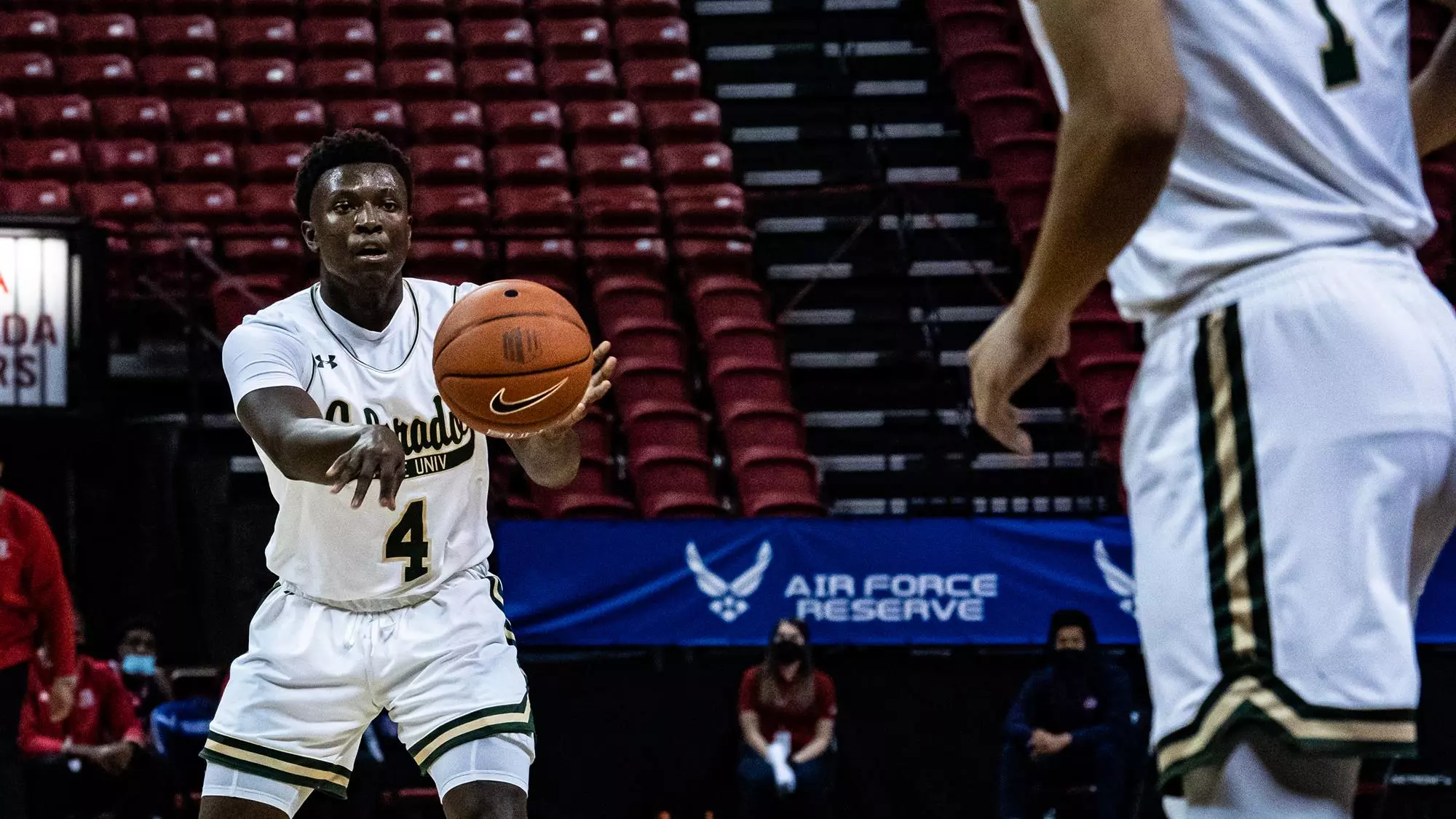
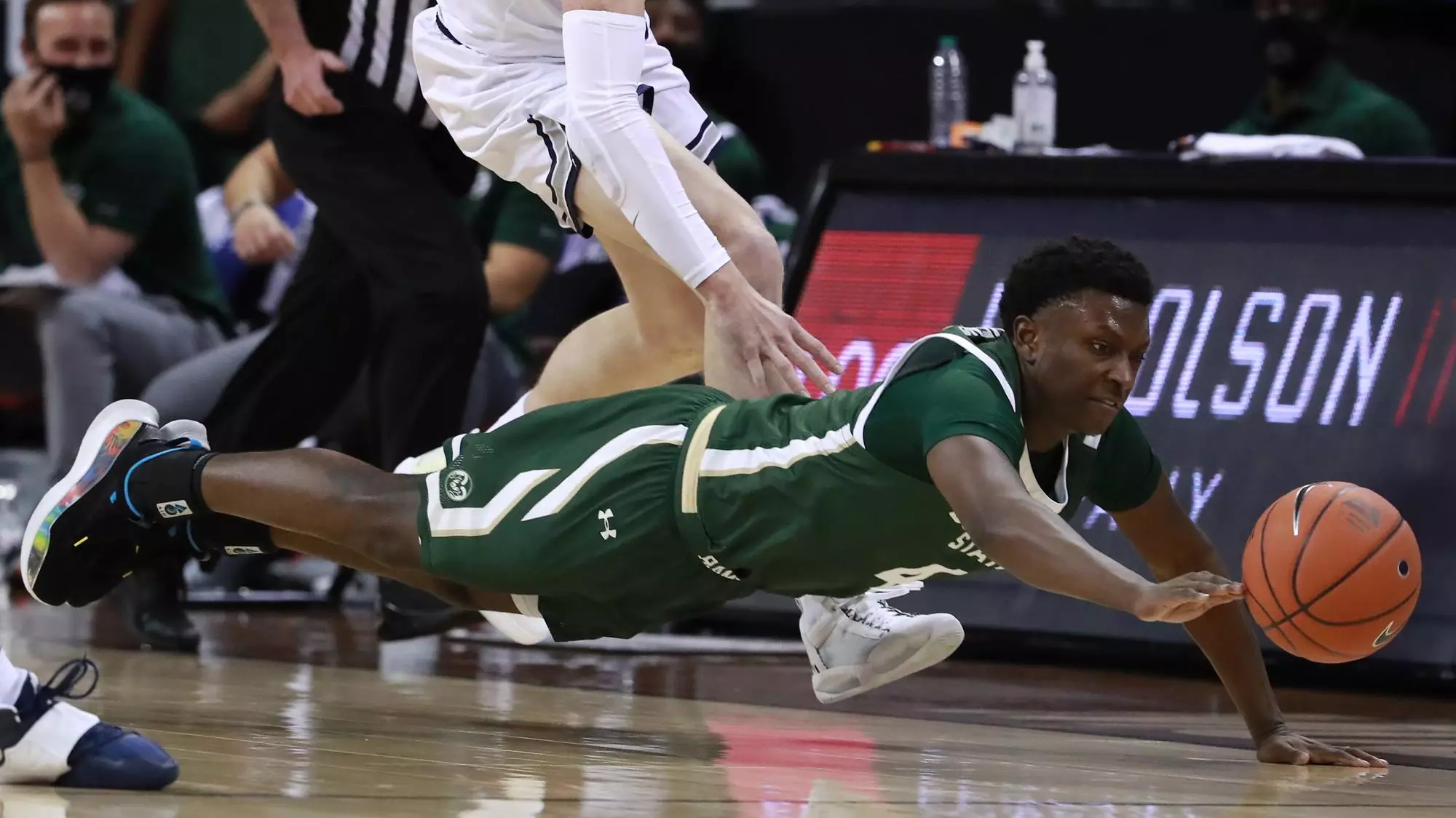
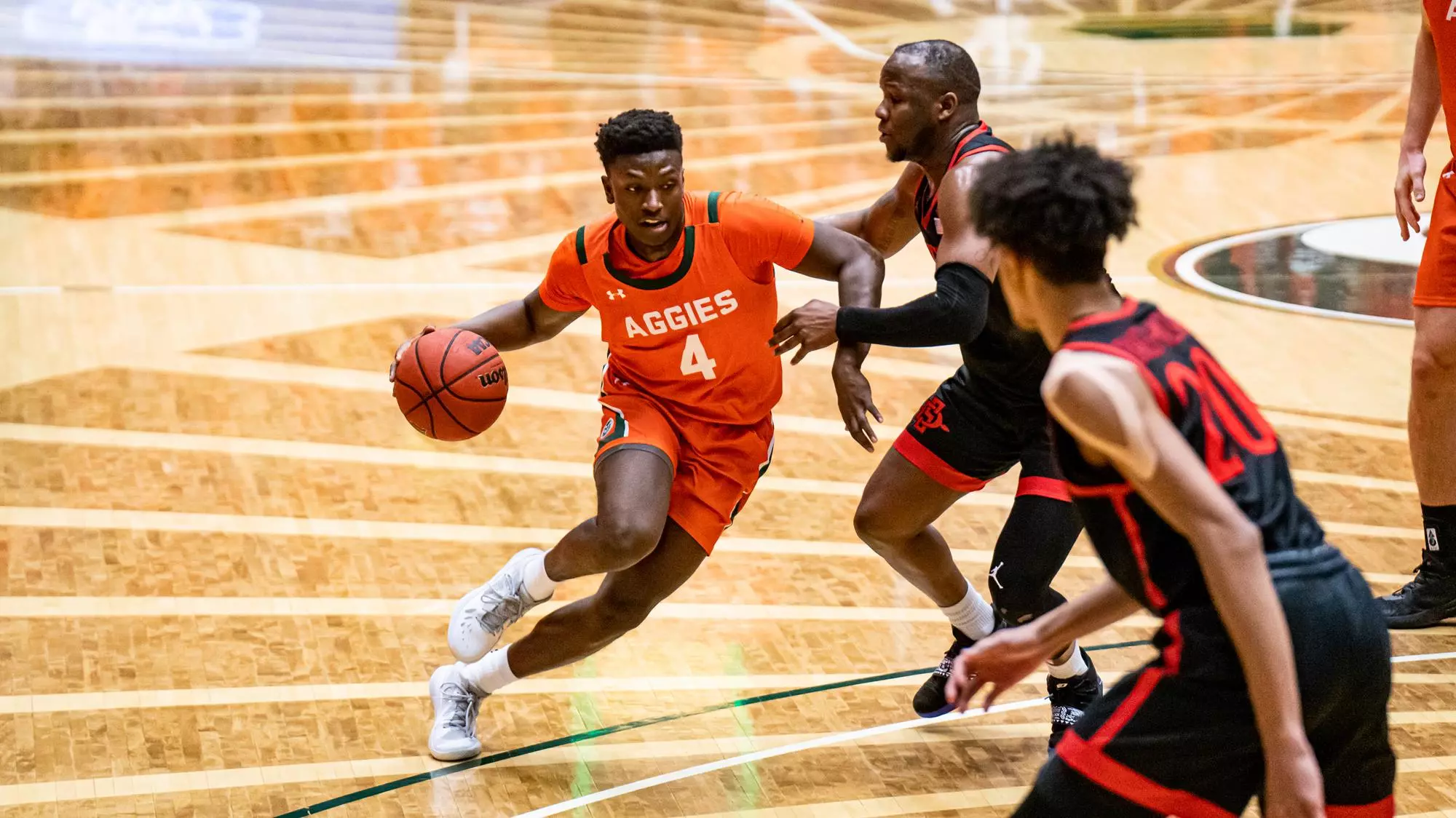
“One thing Ali and I always talk about is, there are two things in basketball you can be selfish about and that’s assists and rebounds,” Isaiah said. “So, I take that to heart greatly. I definitely take great pride in being able to take care of the ball and get my teammates great looks. I want to be one of the best assist guys to ever come through CSU. That’s something I talked to the coaching staff about since I got here. I want my name to be on that list more than any other list the record book has.”
He’s there, and he continues to climb. His 112 assists already this season put all three of his years on the school’s top 20 list, and his 408 career assist place him fourth all-time, needing three more to move to third. His 4.9 career assists average ranks second to Ryan Yoder’s 5.2.
What sets him apart from former Rams at the top part of the assist list is he is also counted on to be a primary scorer for the team. He scored 35 against UNLV this season, the 13th best game by a Ram, and his 1,207 career points put him 17th all-time, needing four more to move up another spot.
Teammate Kendle Moore isn’t sure folks appreciate that from the junior. What he notices is his backcourt mate putting together a complete game.
“Some people won’t look at him like a pass-first guard, but he is. If you play with him and know him, he wants to pass first,” Moore said. “He’s a great scorer, too, so it makes it easier. If somebody comes up and pressures him, he handles pressure well. He just makes everything easier by slowing everything down and knowing where everything is.
“It’s just him taking his time. When he first came in as a freshman, he played a big role for us and still is. Obviously, his game was a little fast. Once he actually slowed down, it became way easier. He sees the floor probably better than anybody I’ve played with. It’s effortless for him.”
For game day to appear that way, the offseason work had to take place. Three sessions a day isn’t leaving anything to chance. Increased film study on top of the physical work isn’t believing natural progression will just carry him through.
His game required work and effort, and when he left that meeting, both parties didn’t question what would be done with the information.
“As a coach, you have a lot of concerns,” Medved said. “One of mine is not whether or not Isaiah Stevens is working on his game.”