
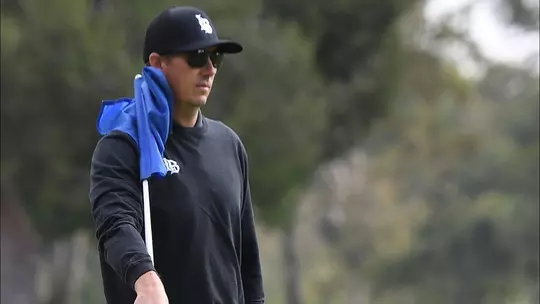
Wilson's Goals Match Program Tradition
Competition will fuel Rams' drive for improvement
Mike Brohard
What Michael Wilson wants to accomplish falls perfectly in line with the tradition of Colorado State men’s golf.
Leave the program in a better place. He knows his history – from Mark Crabtree building the initial foundation of the program through Christian Newton’s departure after NCAA Regional qualification -- Wilson’s goal is to bring forth the next phase of construction.
“I think the total vision is winning championships, coupled with academic excellence. It will be great people working together to build something bigger than themselves and ultimately, leave the program better than they found it,” Wilson said. “I think that’s one of the best character things in life, and I’ve been really fortunate to surround myself with great people. I’ve had great coaches and mentors outside of my parents, and they’ve helped me. I think for the sake of responsibility, it’s my time to give back and help others.
“Ultimately, we want to continue to grow the program, and each coach has done that incrementally. We want to get to a national championship and compete for a national championship and win conference championships along the way in a great golf conference. I’m really excited for that challenge and opportunity, and I know it will take a lot of work, getting the right fit of guys and helping them work toward what they want to achieve.”
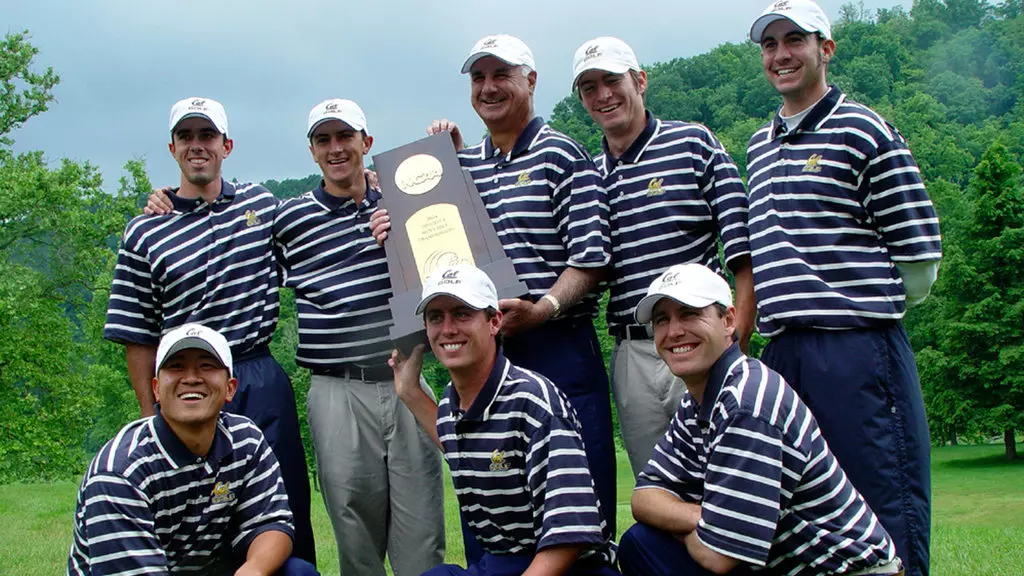
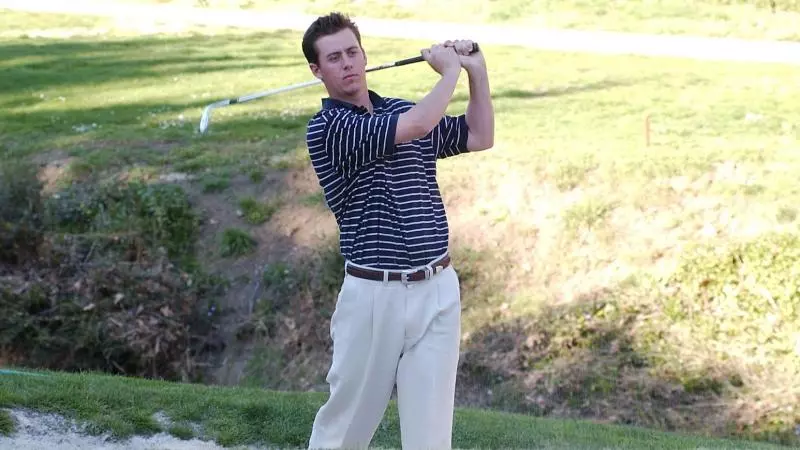
Work is something Wilson has never shied away from. Neither is competition. He was part of Cal’s 2004 National Championship team, a group he says was not constructed of the top recruits in the country, but a collection of players who all were willing to grind it out and help each other.
They wanted to beat each other, but they also wanted to help their teammates get better. In his time with the Bears, his legendary coach, Steve Desimone, noticed something Wilson didn’t see.
Or want.
“Coaches have certain instincts about kids, about situations. They can see things and situations unfolding, both good and bad,” said Desimone, who guided the Cal program for 37 years. “Michael was one of those guys. Michael understood what worked, what didn’t work, how to handle himself, questions about course management, what strengths and weaknesses were -- all the kinds of things a lot of players ask those question, but Michael was really good at following through on virtually every one of them.
“Our national champions team in '04, we had a great bunch of guys. One of the reasons we won the championship is they were all on the same page, and Michael was one of the leaders on that team. He was a great student, all the above. You could see that if golf didn’t work out for him -- and you never know how that’s going to work -- if he still had those competitive instincts and wanting to work with kids, wanting to teach the game, he would be a perfect fit for that.”
Wilson never wanted to be a coach. He wanted to be a professional golfer, which he was for three seasons on the Canadian Professional Golf Tour. What he did to prepare to become a professional was good, but he sees now something was missing. He had a great set-up at a country club and good people working with him on his game, but he lacked on vital ingredient from his time at Cal.
Competition. Which is why it plays a big part in how he coaches.
I just think he’s one of the most competitive people I’ve come across,” said Hunter Epson, the 2021 Big West Player of the Year. “In practice, he’ll even jump in and want to beat us as much as we want to beat anybody else. He connects to players like that, and we can tell how much he wants to win and be successful. It’s easy to play for him and connect to him like that.
“I think practices are a good balance of the team aspect, like a drill the team has to get done or certain tests every team has to accomplish at some point, and it will be competitive individually. Sometimes it’s a team competition, but I think he does a good job of letting the player be themselves and get their own work in. You need your own time, and he gets that. It may be at a team practice, he’ll say, I want to hear your plan for today. It’s not like you have to putt for 30 minutes, chip for 30 minutes, it will be we have competitive drills and tests, then he wants to hear what we think we need to work on to be successful at the next tournament and what’s your plan. It’s a good balance of being engaged with the team, but also allowing the player to feel comfortable to get his work in.”
Winning as an individual is always awesome but winning as a team is always the best. That shared experience of going through something hard and putting all those hours in and the work and time and sweat and coming out on top is deeply rewarding.Michael Wilson
The connection is important, and building relationships is something both Desimone and Epson says Wilson does naturally. Nothing is forced as he takes the time to get to know the players for who they are outside of golf and what they want to achieve overall.
Epson remembers Wilson being always available for a phone conversation any time of day. Desimone said there is care and thought behind what Wilson does. A Colorado State, they will be a team, but he won’t lose sight it is constructed of individuals.
“I’m a service coach. I’m going to get to know each guy and build relationships with each one of them and know they’re all different, and probably coach them all a little bit different,” Wilson said. “Talking one way to one guy is going to work, but not for another. I’ll find out how to best communicate with each one of them so we can find out how we can get the very most out of each one of them.
They’re involved. I care deeply, I want to see them succeed.”
He has three foundational pieces to his programs, and for him, they are non-negotiable. The players will do their work. They will get their degree. They will leave Colorado State better than when they arrived.
He also expects them to help each other along the way. Naturally, the 2004 season had a great impact on his life, and those are lessons he finds to be building blocks for the teams he coaches. If he had an aspect of his game to work on, he did. Sometimes, he thought he was getting in early, only to find a teammate had arrived first.
If one of his flaws was a teammate’s strength, he would ask them for help. The effect is it makes the individual players better and the team stronger, the true definition of a win-win.
“It’s a big reason why I do what I do today,” Wilson said. “I had an amazing golf experience and teammates. Winning as an individual is always awesome but winning as a team is always the best. That shared experience of going through something hard and putting all those hours in and the work and time and sweat and coming out on top is deeply rewarding.”
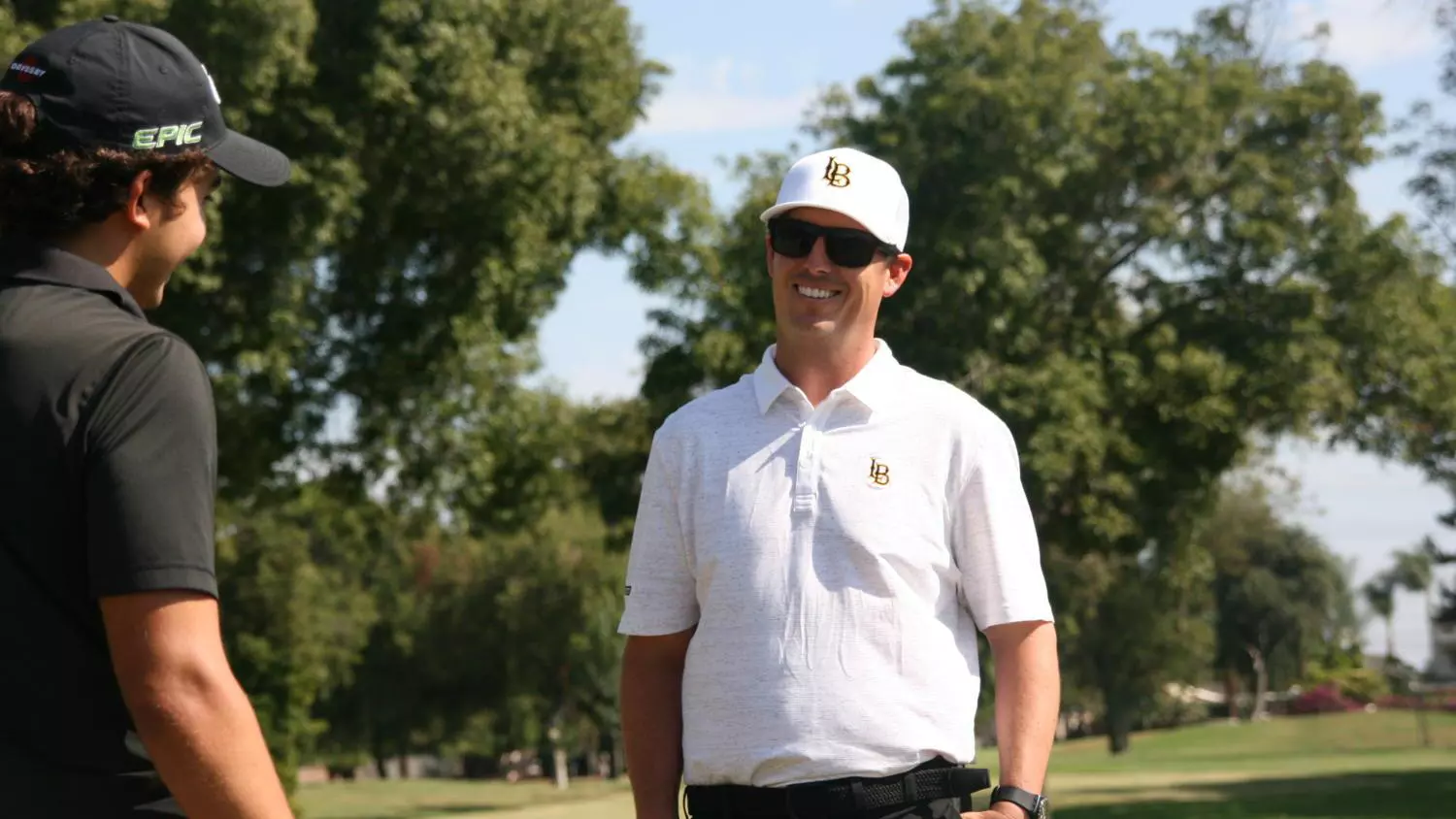
While coaching was not in his cards, it’s now in his blood. He started the road as an assistant pro and lead instructor at Santa Lucia Preserve in Carmel, Calif., then became an assistant coach at Washington. After three seasons with the Huskies, he branched out on his own, leading the Long Beach State program in a better spot.
There were NCAA Regional berths for individuals and the team and a myriad of all-conference honors for those he guided, including three Freshmen of the Year. In coming to Fort Collins, he sees a place where he can build a consistent winner.
Desimone calls him a great recruiter, noting Wilson has had to battle against the likes of USC and UCLA to land players. And once he has them, he can raise their level of play.
“Wherever he’s been situations have improved. Teams have gotten better, regional championships, NCAA competition,” Desimone said. “The reality is Michael’s best player at LBSU was out all last year. And he’s a really good player.
“You knew Michael was ready for that next step. Colorado State in college golf is somewhat under the radar. If you know college golf, you know Michael is stepping into a great spot. The last three coaches, Mark, Jamie Bernal and Christian have done that. I just know year after year Colorado State has had really competitive programs and this is a great move for Michael.”
If he didn’t think he could win here, he wouldn’t have come. He does like the challenges, especially the notion it is hard to build a program in a state where the stigma is you can’t play year round. He likes that challenge, and he plans to use it to his advantage. Stigmas are one thing, reality is another, and there is plenty of sunshine in Colorado.
Plus, great facilities for the team to use. As it was when he sees a perceived slight, Wilson will set out to make it a strength.
“I think that’s me in a nutshell,” he said. “It’s a good fit that way.”