

Feeling Fresh and Strong Throughout
Technology has advanced recovery, but the first steps remain basic
Mike Brohard
There has been more research targeted at the subject. The technology is off the charts from where it was, and new tools come into play seemingly every year.
Yet the two most basic rules to keep the football roster fresh and rejuvenated through fall camp and beyond are tried and true. Even basic.
Sleep and hydration.
“First and foremost is sleep. You have to sleep,” said CSU football head strength and conditioning coach Jordon Simmons. “They think cold tub and this and that, but no. You have to shut down your body and let it recover. We stress the amount of sleep they get, and hydration is huge. With a 1-percent increase in body weight, you have an 8-percent increase in injury risk, so that’s big time. Always have a bottle of water, drinking fluids, drinking Powerade and pay attention to urine color.”
The student-athletes on the roster – heck, every CSU roster on campus – will have the information reiterated to them all season long and every season they are on campus. Even though football no longer has two-a-day practices, the information is still important. Even though they are not in pads as often, it still holds merit.
The message is delivered in position rooms all the time, but the two groups mainly responsible for bringing it home – Simmons’ staff and that of head football athletic trainer Greg Jensen – remain in constant contact to share information and to help create good habits among the athletes they serve. What they strive for is players make it part of their routine, but they also know not all of them take the information seriously when they first arrive on practice.
A lot of them cruised by in high school by being outstanding athletes, going to practice then spending time with their friends out in the sun at the pool. Jensen said most of them start to realize times have changed in college when they have back-to-back sluggish performances, and they don’t understand why.
What players don’t realize at first is the workload is much more strenuous. At times, Simmons said they can lose up to seven pounds during a practice, and it’s all fluids.
“It’s a routine. We try to keep them on a 24-hour routine and realize when you have time off out of here you have to use it efficiently to recover,” said Jensen, who is starting his 11th season with the team. “That’s something they start to figure out and understand is that sleep is just as important as being in the meeting room. Also, hydration and nutrition are a 24/7 thing as well. You can’t just do what we provide you in these four walls, it’s got to be an all day, everyday type of thing.”
Fifth-year linebacker Dequan Jackson is one of the few who had a bit of experience with this in high school and came to Colorado State a firm believer in recovery makes a difference. At Robert E. Lee High School in Jacksonville, Fla., his team was already using cold tubs after practice, had incorporated yoga and had purchased massage guns for the players to use.
Through time, and with more options available to him at Colorado State, he’s used his years to come up with his own habits to keep himself as fresh as possible through the season.
“I think it’s simple. You just have to be disciplined and make the sacrifice,” Jackson said. “Some guys want to go home and nap, and that’s cool sometimes, but I think you have to be mature about it. You have to take the initiative to take advantage of the recovery options they give you, then do something on your own. As an older guy, I get up earlier, I go to bed a little bit earlier so I can get up here and get a whole warm up in before we ever go to warmup. I stay after; I’m probably one of the last guys to leave the building. The young guys, they’ll learn it. It’s taking advantage of everything.
“We have cold tubs, we have compression boots, we’ve got coaches who will stretch you. Eating and hydrating, that’s one of my biggest things this year. I think it comes with experience. You’re going to know your body more than anybody else, so you’ll know what it needs.”
Simmons and Jensen both say recovery – which is important to help prevent injuries from occurring – is not a one-size-fits-all program. They both said there is research touting the advantages of hot and cold tubs, but also studies which don’t find either to be extremely beneficial.
To that end, they tell the players to use everything and find what works for them.

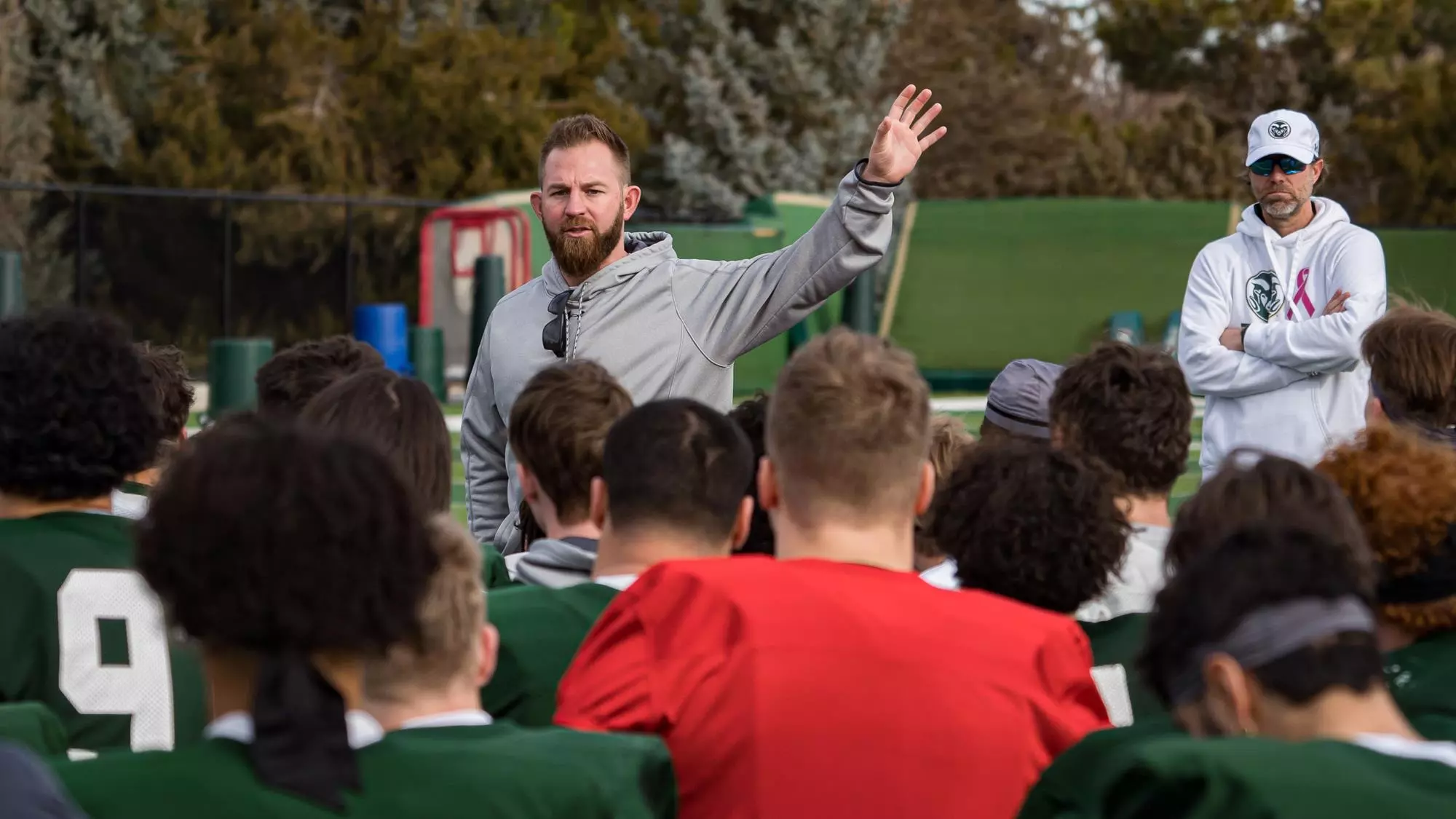

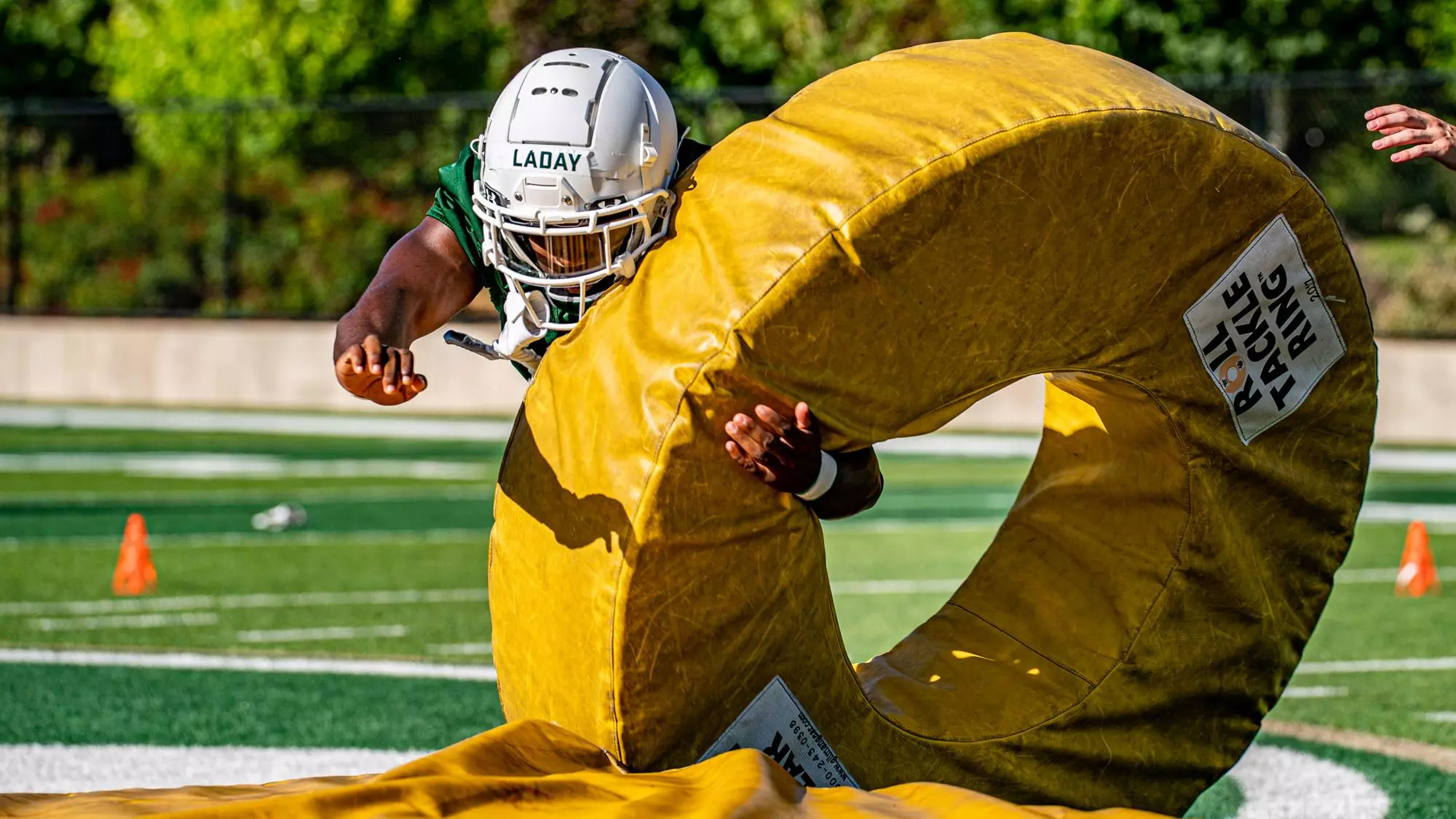
You have a lot more control over so many more aspects of the game than just what’s on the field. It’s all the stuff off the field that makes the biggest difference out here.Greg Jensen
“My thing is when it comes to recovery is, does it help you? If you say yes, I’m never going to tell you not to do it,” Simmons said. “Cold tubs, there are people who say their great and some who say they’re not. Well, you, individually, do you feel better? Even if its mental, you’re helping yourself. Your mind is a powerful thing.”
The strength and conditioning staff set a lifting routine for fall camp, where the first group which practices goes in immediately and lifts for an hour. It’s not the same amount of reps, or the same bulk, but it is designed to keep building up the players, not just maintaining strength. When practice is open, they offer two different times for voluntary recovery workouts.
During practice, his staff uses 32 GPS monitors on various players, and the information they glean from those can help detail what players really need. The devises will track how much running they do, even how many reps they do at game speed – 14 mph.
For the most part, the top five players are all specialists, usually receivers or defensive backs. But in one of the early sessions, the No. 2 ranked player in terms of reps at game speed was Tanner Arkin, a 250-pound tight end. What it told Simmons was Arkin was going to need to do more than usual to remain hydrated and fueled properly.
Recovery can become a learned behavior, which it very much was for James Mitchell. All of it was new to him, but he watched brothers Toby and Trey McBride go through a routine every day. They were in the hot tub before workouts. They were in the cold tub after, and they would spend time in the training room rolling out their muscles.
It motivated him to follow their lead.
So, in the morning, he gets in the hot tub to get his muscles loose. After practice, he alternates between the hot and cold tubs after noticing a difference in the way he felt toward the end of the past season. He said when he figured it out, through experimenting, it was easy for him to make it a habit.
He also found during camp he needed to eliminate some others to reach his required rest.
“I try to get eight hours every day. Especially during camp, I delete all my social apps, except Instagram,” he said. “I try to stay away from it because that’s the only reason I stay up. When I take that away, I can go sleep and just relax my mind. That’s the best recovery, sleep.
“I do nap. I definitely nap. In the past, I was told you don’t want to nap forever, so a good 30 minutes to an hour nap is perfect. I try to hit that goal every day.”
While they are at the facility, creating and following a routine is easier. It’s when they are away from the facility the pulls of youth can make it hard to stick with a plan. Jensen knows. It’s tough to put down the phone, and the draw to head up to Horsetooth and swim or hang out in the sun is strong. Somehow, they have to fight it.
Communication is also key. It’s why Simmons gets practice reports from Jensen daily, so as to know when he should pull back on certain players in the weight room. While 40 years ago it may have seen as a sign of strength to play through pain, Jackson said it’s important for the players to communicate issues with the staff early to help prevent injuries from becoming serious.
“I think coming here and all of this stuff is really available to you, it’s easy to take advantage of it. I talk to the younger guys that there is a difference between injury and hurt,” he said. There’s some stuff you have to push through, but you have to focus on prehab instead of rehab. It’s too late once you already get there. You want to get in front of it, talk to the trainers. It’s not a bad thing to be in the training room. I try to be in there even when there’s nothing wrong with me.”
Jensen has seen numerous advances through the years, saying they are all for the better when it comes to the student-athlete well-being. Not all of it has to do with technology, but rule changes and better budgets.
What it has allowed is more opportunity to keep players healthy and on the field. As head coach Jay Norvell is fond of saying, the best ability is availability.
“It started off we had a small, old stainless-steel whirlpools. You’d put out a 10-gallon cooler of Powerade and you practiced twice a day,” Jensen said. “None of that is a thing anymore. We now have cold tubs we can get 10-12 guys in at a time, and we have unlimited fluids everywhere in the facility and out on the practice fields. We can feed them now, which we do, and you give them snacks. You have a lot more control over so many more aspects of the game than just what’s on the field. It’s all the stuff off the field that makes the biggest difference out here.”
As they push to educate the players on the importance of recovery after practice, Simmons and Jensen know the best teacher is what the players find for themselves once they’ve given all the available opportunities a try.
Mitchell said he doesn’t really enjoy the cold tub, but he does it anyway. The reason is simple. It’s the way he feels later in the day.
“I didn’t expect to feel this good this early in camp, but I feel like I’m on the right track with the way my body feels right now,” he said.
Nobody is going to feel great by the time the 20 days of camp practice are over. Camp isn’t designed that way. It’s set up to have them ready for the long haul. By the end of the 12-game season, none of their bodies are going to feel fresh. But by taking the steps necessary now and throughout the season, they won’t feel it as much at the end.
Given the tools and time, they all find their way. How much to drink and what to drink – Jensen pushes them away from his magic morning elixir, a Diet Coke. They’ll come to understand how much food they need to put in their bodies and come to understand the importance of the pre- and post-workout shakes they are given each day.
The benefits of the tubs, the stretching, the compression boots and the type of lifting they do will eventually make sense. They’ll find a rhythm if they’re head is clear, which it can be if they just start out with the basic step – a good night’s sleep.