
Equalizing Both Sides of the And
Balance has been key to Rams' track successes
Mike Brohard
The phrase itself suggests two parts – equal and shared. Track and field.
Yet not every program applies equal importance to both halves. One side or the other becomes a secondary thought, which will never be the case with Brian Bedard leading Colorado State.
“Some of it is a philosophy that’s been passed down from Del Hessel and Doug Max. We want to be competitive in all the events and we just feel it’s been a recipe of success at the conference level,” Bedard said, as his team heads to Albuquerque, N.M. for the Mountain West Indoor Championships, running Feb. 23-25. “If we can try to put together a team that can score in every event, or almost every event, it usually puts us in contention to at least challenge for a championship. It’s served us well, and if we do a good job in the recruiting process and coaching up people, if we have a balanced attack, it usually works well for us.”
Not a theory, but facts. The men have placed in the top three every year since 2013 (there was no meet in 2020), winning three titles. The women have posted top-three finishes every season since 2014, winning four titles. In 2017 and 2019, the Rams swept both titles.
As they head to the meet this week, the Rams will once again do so with balance. The men have somebody ranked in the top 15 in all but one event, and that’s because the Rams haven’t run a distance relay this season. They have 15 athletes ranked in the top eight, 10 of them in the top five and three of them hold the top mark. In eight events, the Rams’ men have at least two competitors ranked in the top eight, three in the high jump, four in the heptathlon.
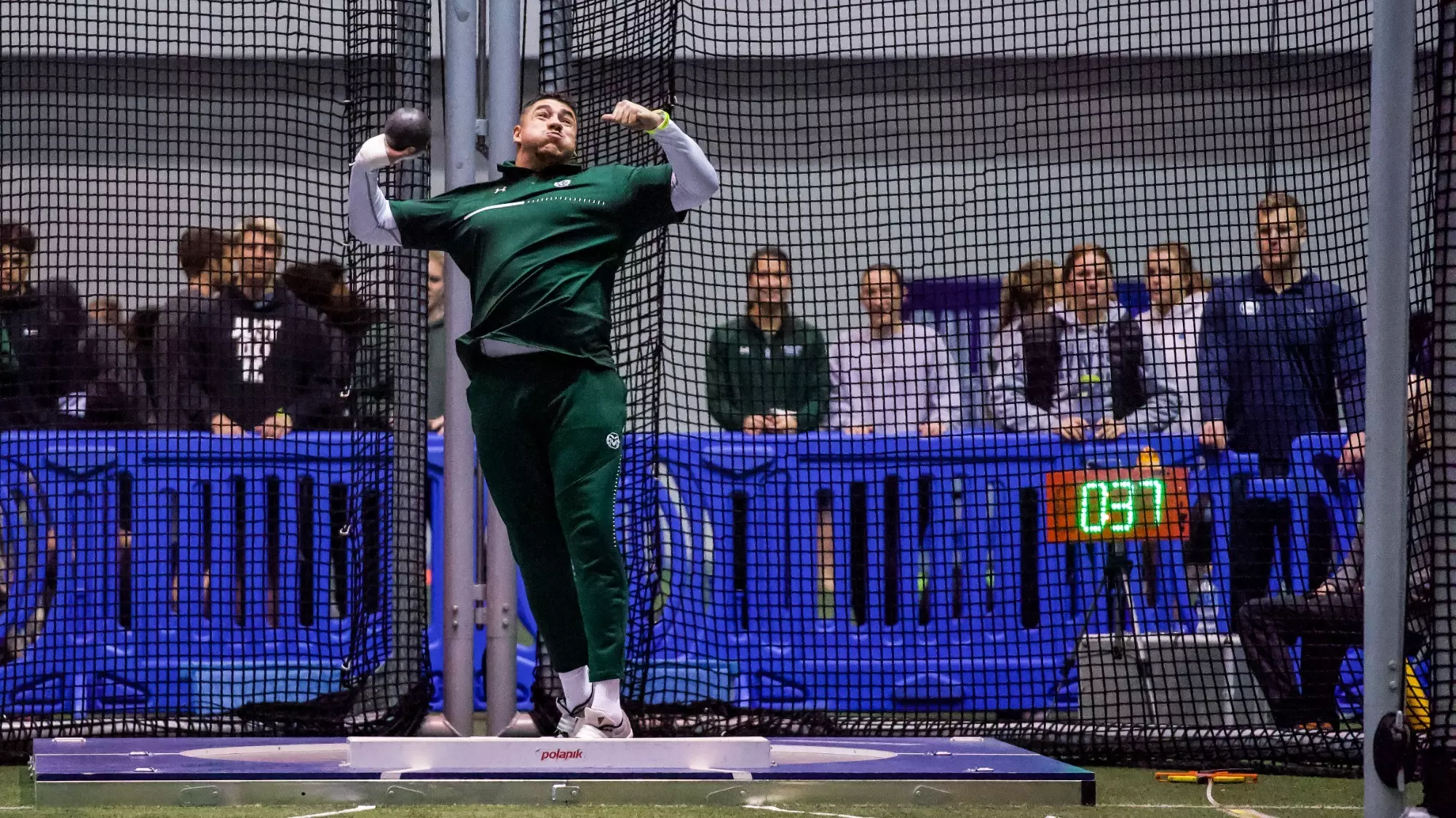
“You don’t see it at many other schools where they’re this good at so many different events. There’s only so much throwers can do,” said defending indoor shot put champion Mariano Kis. “We can only win throwing events; jumpers can only win their events. Having everyone across the field have the ability to step up and score extra points really helps out.”
The women’s team is stacked very similarly. The have somebody in the top 15 in 15 events, 11 in the top eight, 10 in the top five and a trio of event leaders. There are five events where they have multiple competitors ranked in the top eight.
One of them is pole vault, an event which really puts Bedard’s philosophy to the test. It is but one event and the athletes rarely cross over to anything else. It is expensive, the training is time consuming for the coaches and it’s a pain to travel with the equipment. They may be one-trick ponies, but Bedard wants thoroughbreds, nonetheless.
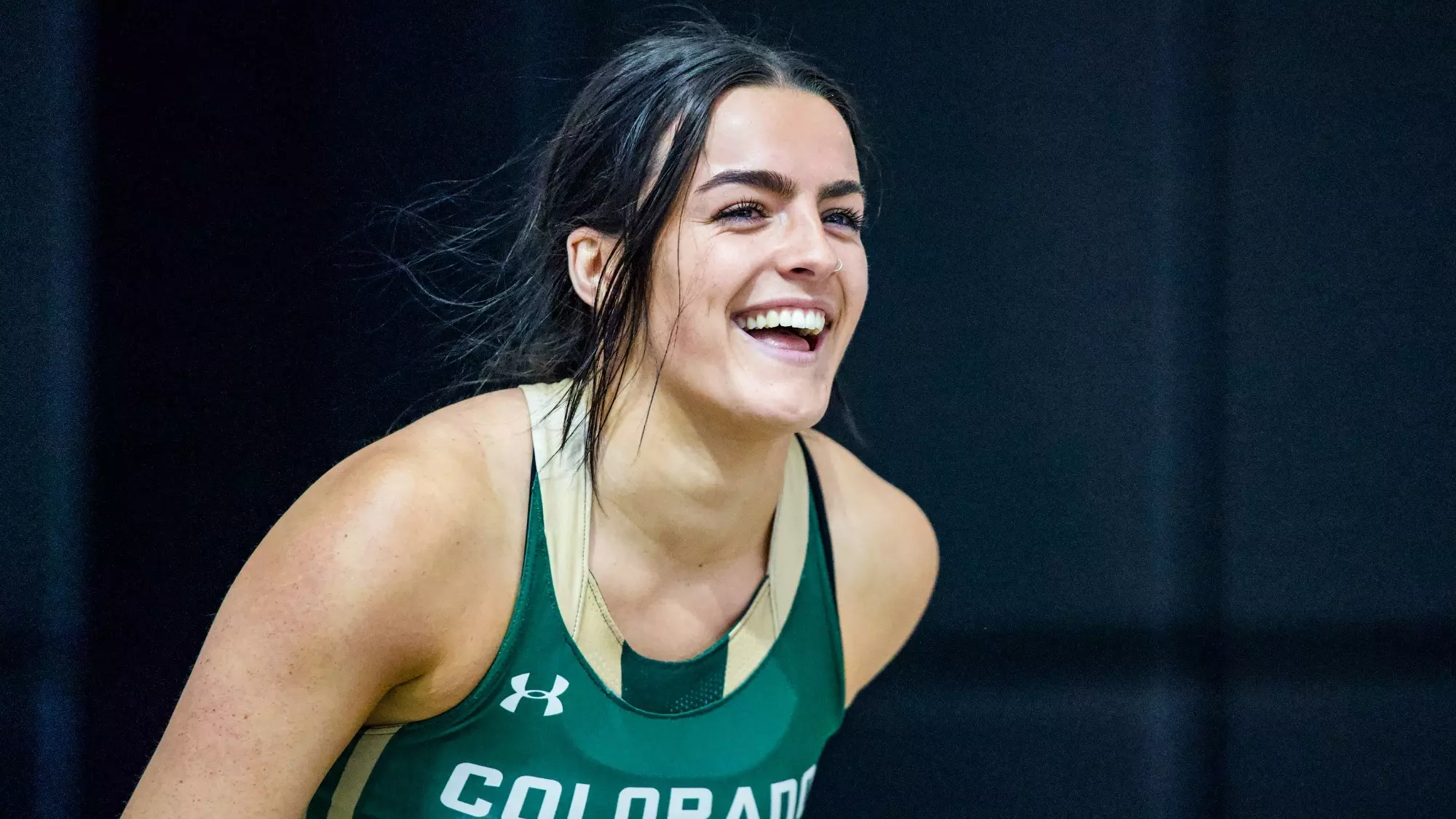
“I love it. It makes me so excited,” said Celyn Stermer, who enters ranked No. 1 after breaking her own school record earlier this season. “I feel a lot of the coaches, sometimes at other schools, they forget about pole vault specifically because it’s kinda not here nor there. We get poles every year and pits and new equipment, and I feel like a lot of the other athletes come and support pole vault more than the other schools do. I think that’s really special.”
With Bedard’s background in throws, it’s no surprise Colorado State is annually one of the top producers in the event, indoor and outdoor. Naturally, he sees the value in the field events, even if much of the attention from the stands at meets is on the track.
The track is the centerpiece of the arena, with the field events taking place all over. Bedard is eyeing points from every vantage point, so the process starts in recruiting.
“It's a challenge because some of the events it’s hard work. Having a good multis program, that’s a big investment in time and energy for our staff,” Bedard said. “If we’re doing a good job recruiting the multis, it can come back and help us in individual events, too. They can help fill some gaps. Some programs just don’t want to invest, say in the pole vault, because it’s expensive. We make and investment there, the multi events. We still think it’s worth the effort.
“The field events are important for us. We want them to feel valued, and I want to have a quality staff which knows how to coach the field events; that’s my background. It’s an important part of what we do.”
If you always take every event and hold it to high expectations, you always can be successful.Ryan Baily
For instance, two-time All-American Lexie Keller is the clear favorite in the pentathlon entering the meet. She’ll do her five events the first day going for one title, then spread out those skills the next few days to earn additional points.
The approach keeps the Rams from having to put too much faith in one group or another. For Kis, who has won every shot put title he’s competed for in the Mountain West, it relieves any pressure to perform any of them may be feeling.
“It starts out in practice. We all hold each other accountable,” he said. “When we’re in the weight room, for instance, Jackson Morris will tell me I need to put more weight on the bar. We constantly push each other because we know.”
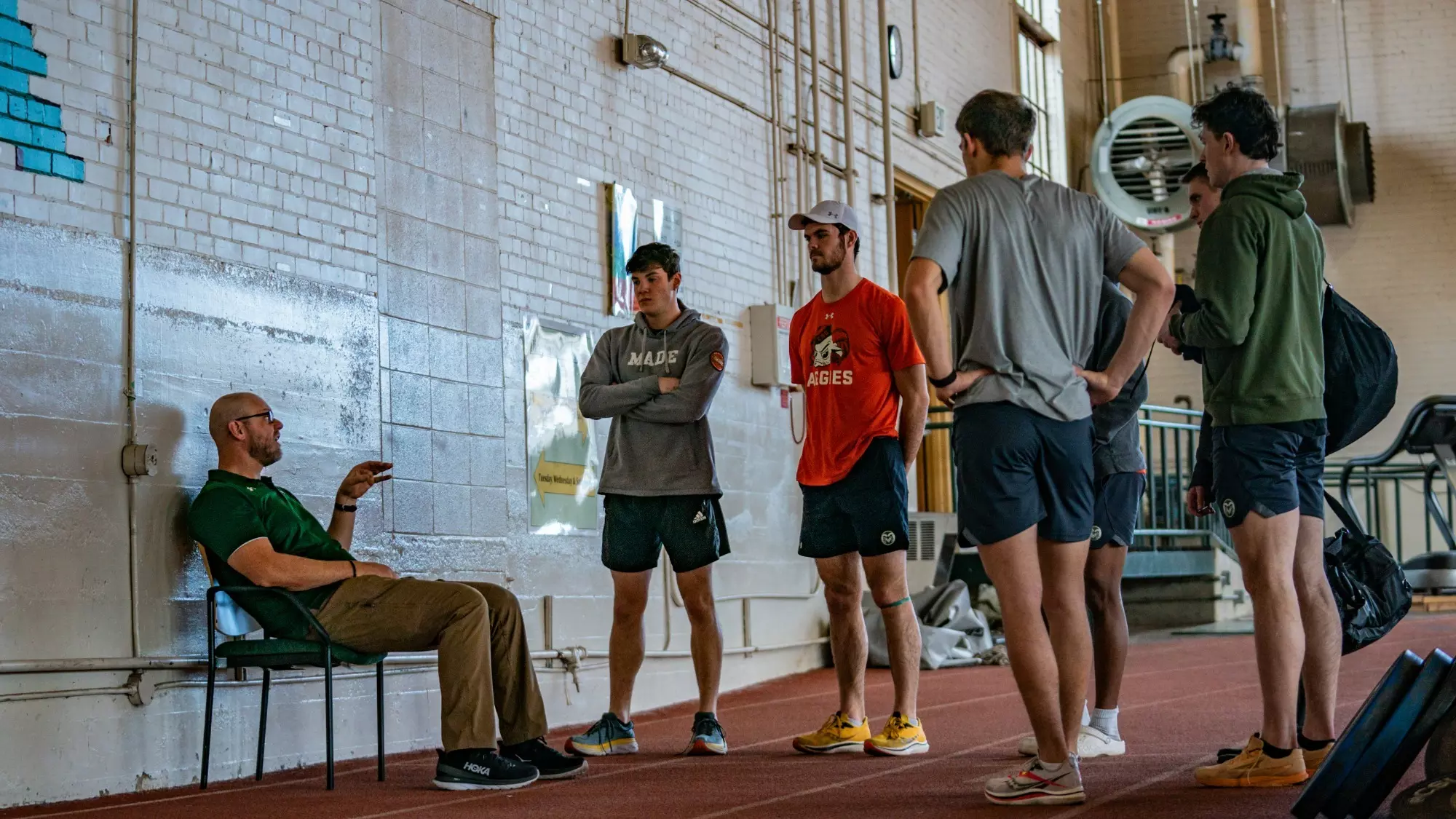
The coaches do the same. Through recruiting, they try to maintain balance, which the recruiting budget reflects. Some groups may be leaner in certain years, but not for long. When it comes to training field athletes, assistant coach Ryan Baily said the required development calls for patience and perseverance.
But it does allow them to check the boxes down the list every year, which is why the Rams are always in the hunt, even when a team surprisingly becomes good in one area, making it tougher to reach the podium.
“It takes a lot of work and effort to be good in the field events. You have to have coaches who understand the event in a completely different way,” Baily said. “It takes more time to develop field athletes, so it’s an investment, which is why I think a lot of coaches don’t put in as much time in the field events. To have a coach who understands the importance that if we put effort in and we’ll get a big return, we can capitalize on it at the conference championships.”
“If you always take every event and hold it to high expectations, you always can be successful. If you’re a one- or two-dimensional program and an event is not doing well, you’re going to be bad. You can never predict what a conference is doing. You can’t predict that San Jose State was going to dominate sprints and New Mexico was going to go crazy in the sprints. Now it’s much more difficult to score in the sprints than anticipated.”
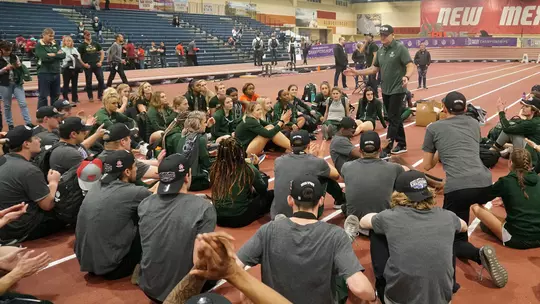
Never having the scales absurdly out of balance also plays into a key factor to the program’s success, the championship culture it carries. The results speak volumes. So do the Rams, who by the nature of the practice routine, are not all routinely together.
On meet days, they most certainly are there.
“Coach Bedard talks a lot about making it feel like a family. I feel all the athletes really do that, and we pay attention to sportsmanship a lot,” Stermer said. “We make sure we know everyone’s PRs and when they’re competing, it’s being there to support and be loud. At the end of the day, it does make such a difference when you’re team is there supporting you.”
When it comes to winning championships, Bedard knows it’s not all about past performance. Athletes, even the best of them, will have off days. Likely, it will not be an entire team. Putting all of one’s faith is one area can pay off, but the crashes can be dramatic.
He set out long ago to avoid them. He has 28 athletes on both the men’s and women’s side to go after a championship, and they can do as many events as they can handle. Picking the right athletes and events requires a bit of strategy as they hunt scoring opportunities. Accumulating points as much as they can in every event possible has served the Rams well.
“I think it improves our margin for error,” Bedard said. “It gives us more flexibility and more options when we select our conference team, that we are a little more versatile and we can make decisions based on that.”
His decision every year is simple: Both sides of the and must carry equal value. If they do, the burden becomes shared. With all lending a hand, trophies are easier to lift.