
The Field of Their Dreams
Those who fought to keep softball alive at CSU are excited about the future
Mike Brohard
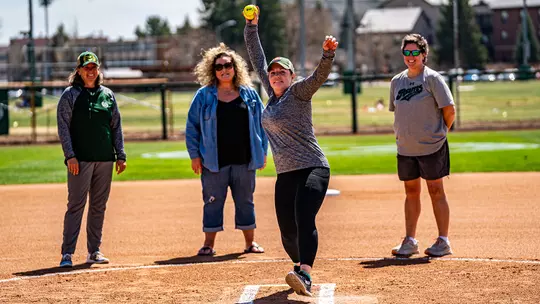
Every home game when the team selects a special guest to throw out the ceremonial first pitch, Colorado State’s softball team presents the honoree with a ball autographed by the entire squad.
Wednesday, doing so felt a lot like signing a thank you card.
Thanks for fighting for your team, your sport. For allowing the program to go on. For giving us the opportunity to be here with you on this day. On this site, the renovated Ram Field.
The one you didn’t have.
“We were talking about it in pregame. We talked about it at breakfast,” CSU coach Jen Fisher said. “The ball was going around, and I was thinking this is really a big deal. It’s neat to see the reaction when they get it. She was so appreciative, and I definitely know that will have a special place in her trophy case.”
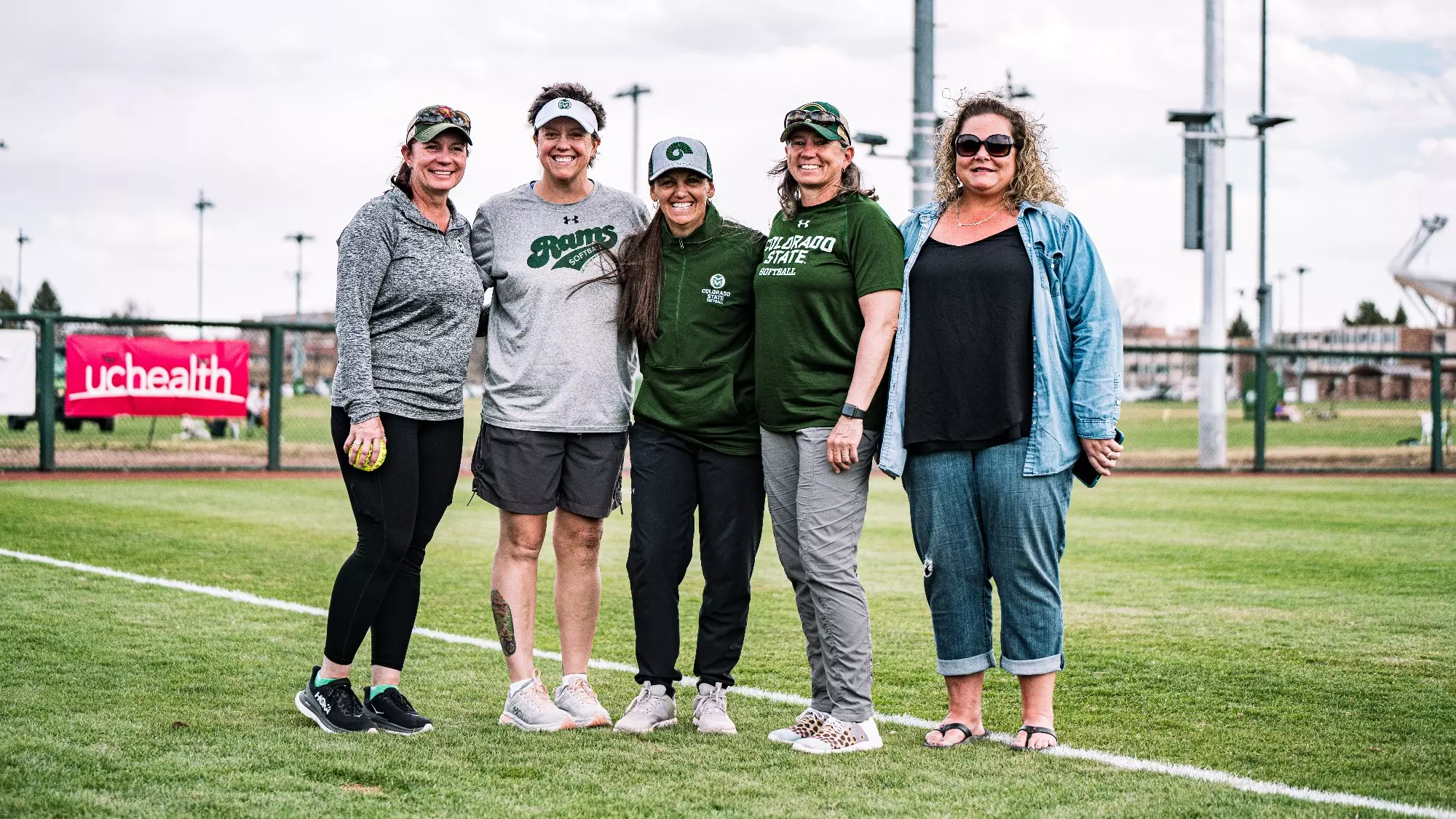
Jennifer Roberts stood in the circle, with former teammates Aimee Rice Ainsworth, Michelle Johnson Niesent and Laura Bielak behind her, in the middle of a field they only dreamed of when they played. When they were Rams, there wasn’t a field on campus, shuttling off to local parks to practice and play games.
Ram Field underwent a major facelift this season, part of a project directed toward improving the facilities for the softball and the soccer programs. The original plan had to be shelved during the pandemic, as were all major capital projects on campus, but a $5 million gift from the Bohemian Foundation helped offset some setbacks stemming from the rise in construction costs.
Roberts and the others were impressed. Bathrooms and heaters in the dugouts. The seating capacity of the facility, even understanding more is to be done.
Especially the lights. Roberts, who now lives in Texas, wished she could have been there for a night game.
“We were saying, I hate that I couldn’t see it at night because that would have had a really big impact, but I like seeing that’s it’s much more of a facility,” Roberts said. “It’s not just some fences and bases. It feels like a stadium. I love seeing the Rams’ logo in center field. I know there’s still some work being done, but I think it will be more attractive for the girls to enjoy who are playing, but for young girls and recruits. It’s an opportunity for the program to grow and have greater strength in players.”
Ainsworth has been a regular attendee of games through the years, and the new facility is striking in comparison to the past. And all of them take a great sense in pride of what it is and what it represents to them.
If not for them, there would be no field. There would be no softball program, because in 1992 they fought to have it reinstated after Colorado State dropped the sport. The fight reached the Supreme Court at a time when Title IX legislation was being challenged all over the country, and their case – Roberts vs. Colorado State – set a precedent for many which followed.
It was an important fight for Roberts, who came back and played again in 1994. It was for Ainsworth, who didn’t get the chance. While the case worked its way through the courts, she spent her final season of eligibility on the track team. Looking back, they were all kind of surprised how quickly it concluded, allowing the Rams to field a team in 1994.
“It’s a jump for sure. I left. I didn’t get to play here after the lawsuit, and I left and it was all about getting the opportunity back for me,” she said. “I knew I wasn’t going to play again. I did track the year we didn’t play, through the javelin and moved on with life, but the opportunity for everybody else was important. Getting the field on campus was the first big leap. Seeing the improvements they’ve made 30 years later … I hope they get to keep moving on and make more. Seeing the girls get to play here and be on campus, it’s fun. We never got to do that.”
It is a story Fisher will not let be forgotten. It is retold all the time, and she has those who lived through it come back and speak to the team. All four women were there on Wednesday have done so.
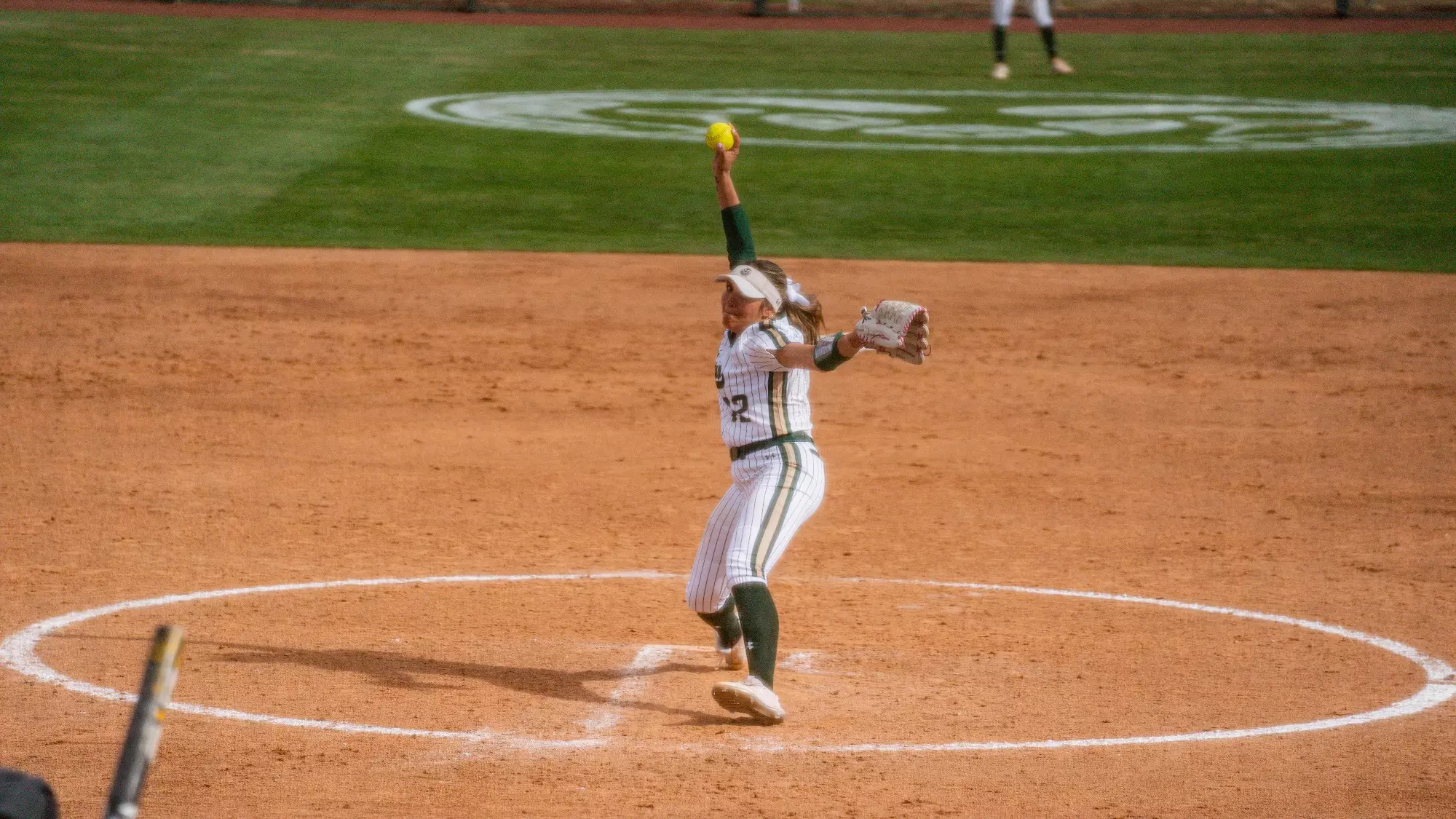
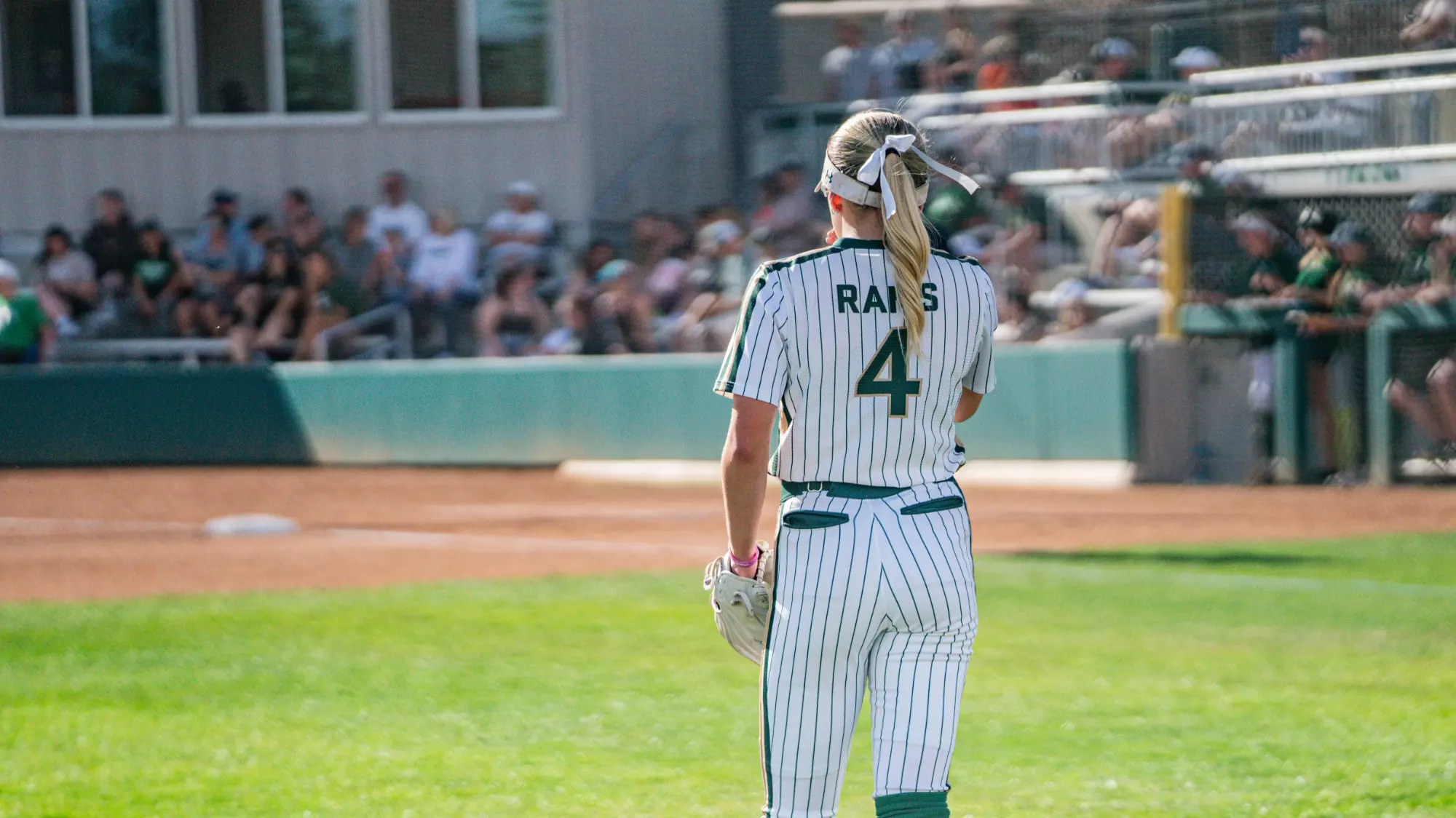
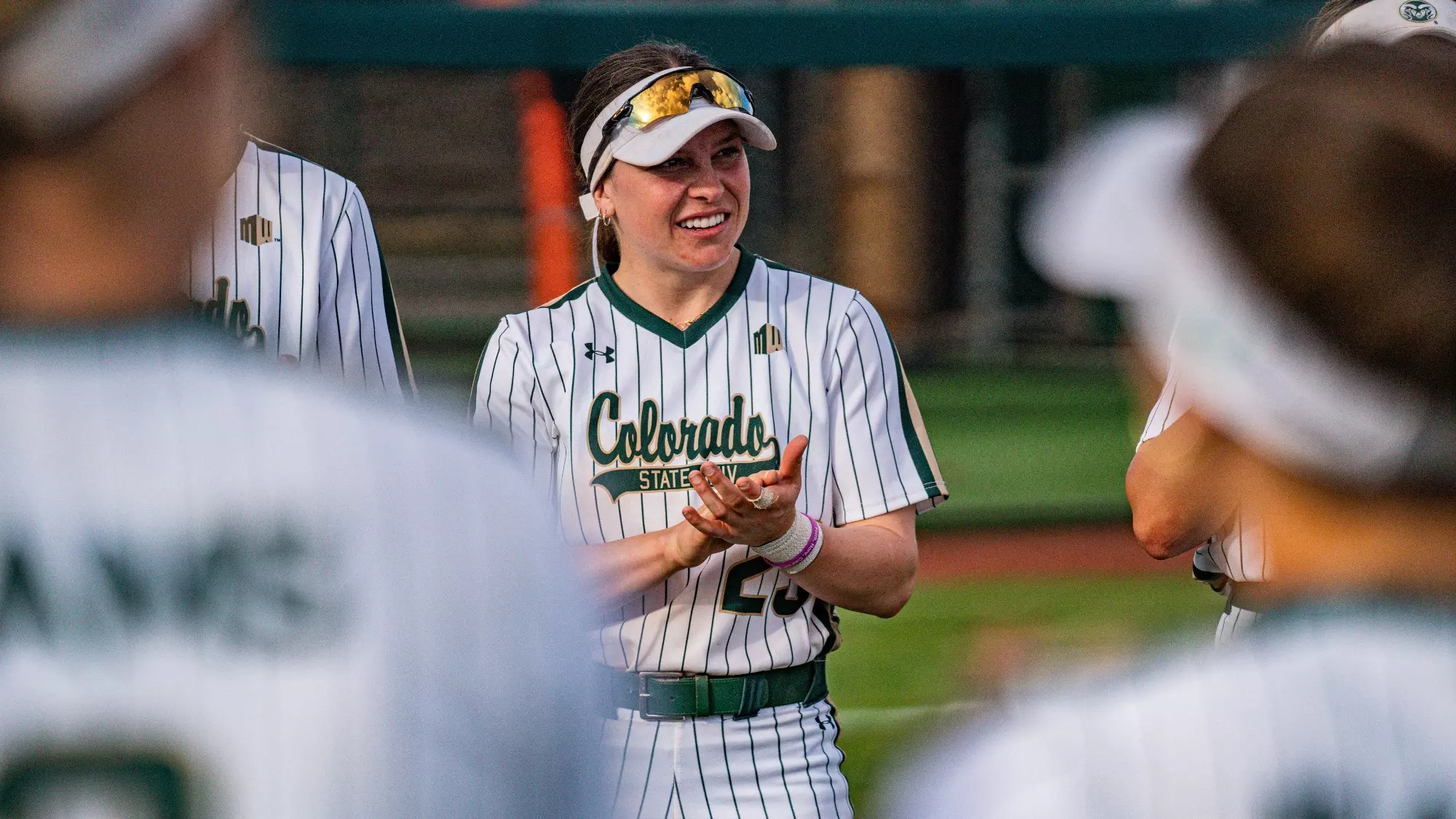
We’re glad we’re getting the recognition, but it goes back to them. They had to fight for it. That’s another thing we have to look back on and be grateful for everything we get. We have not had to fight as hard as they did.Peyton Allen
It carries more weight when it’s delivered by those who experienced it rather than second-hand recollections. Each time the current roster hears from the group, it still strikes home.
“It’s pretty special. I think a lot of times we overlook the story and take for granted what we have,” senior Peyton Allen said. “Without those women who fought to reinstate this program, we all would not be here. We all would not know each other. I think it’s special to look back on and to see them, to meet them, to talk to them. It’s special because that’s our Ramily, our family. Even after you leave, you’re still part of it.”
At the very least, student-athletes on campus want to feel what they do is valued and supported by the administration. When your sport gets cut while you’re away from school for summer break, it’s impossible to feel anything but let down. They all did, some even when the team was reinstated. It was a gut punch at the time, one they still feel to this day.
Those who chose to cut are no longer around, and Fisher believes the current administration is doing all it can to show it values the program and the players who represent the university.
So yes, Fisher definitely wants the story front in center in her player’s minds. To her, their fight is a mindset for the program.
“I think they know that story, and I think when (Director of Athletics) Joe Parker talks about the softball team, he says we have a strong history of our young women in this program being assertive, and I’m proud of that,” she said. “I think it says a lot they’re in an environment where they’re encouraged to do that.”
Seeing those women on the field meant something to Allen. When she’s had a chance to talk to them, she’s tried to get to know who they are as people, who they were as players, where they live. Allen knows their story at Colorado State is very much part of her story. When she plays at home, her friends and classmates have the chance to walk across campus and watch. You’ll see on game days where a passerby will see there’s a game and head up the steps to take in an inning or two.
She can’t imagine having to ride her bike or carpool to practice. Well, a bit, because as the field was still being constructed a few months ago, her team was. But it was different. It was a momentary pause, not a way of life.
“I feel supported. I think there’s still a ways to go with women’s athletics and where it’s at,” Allen said. “I think all women’s athletics. When we do get these facilities and these nice things, we are all definitely grateful for all the support. We’re glad we’re getting the recognition, but it goes back to them. They had to fight for it. That’s another thing we have to look back on and be grateful for everything we get. We have not had to fight as hard as they did.”
Not off the field. They do on the diamond, which all four women could see as they took in the doubleheader from stands they only dreamed of back in the day, for a sport they fought to keep in green and gold.
And all of them will keep coming back. They have deep appreciation for Fisher and her open-arms policy for the past.
Most definitely, they have a deep appreciation their fight led to something better for a lot of young women who weren’t born when it began.
“It’s completely an extension of that, and I would love to see this continue to grow to the point where you have strength of program, conference championships more regular than they’re not and that’s because you have facilities and a legacy,” Roberts said. “It’s going to be here, and the school is supportive of it. It’s completely an extension of that. This would not be here if we had not fought for it.”
Every home weekend this season, the team has celebrated its new field in some way. On that day especially, a hearty and specific thank you felt especially warranted.