
Late Nights, Long Weekends. Whatever it Takes
Serna counted on in multiple roles while transforming team culture
Braidon Nourse
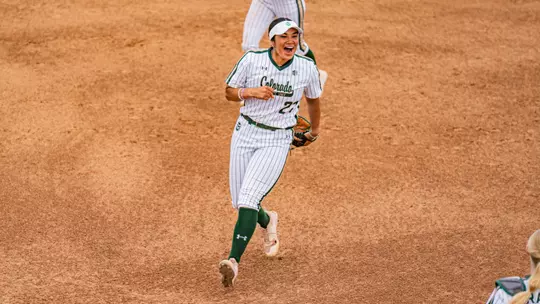
From day one, Danielle Serna put in the work. In year five, all of the effort is paying dividends.
Whether it was her first season in a COVID-19-shortened 2020, when she pitched in just six of her team’s 23 games. Or her second season, when she barely pitched an inning per game.
Even when she was thrust into a much larger role last season in the circle after Julia Cabral suffered an injury, the grind never stopped. Oh, and not to mention she’d been getting better and better at the plate every single year.
Sometimes, the work isn’t just physical, it’s psychological. Balancing high personal expectations with outward humility presents an internal struggle which Serna deals with on the field, spending countless hours working on her game outside of practice.
Other times, it’s showing by example how those long sessions by yourself or with a teammate can make you — and by proximity, the team — better. By all counts, it seems Serna has mastered the tightrope act of being humble, leading the team and playing with quality which is up there with the top talent in the conference on offense and defense.
None of it was by mistake, and the team has followed suit. The result has been a development of a unique culture for a softball team with the talent and experience to go win its first Mountain West title in five years. It’s a journey the team will start with weekend at the Easton Classic in Fullerton, Calif., opening Friday with games against Pacific and host Cal State Fullerton.
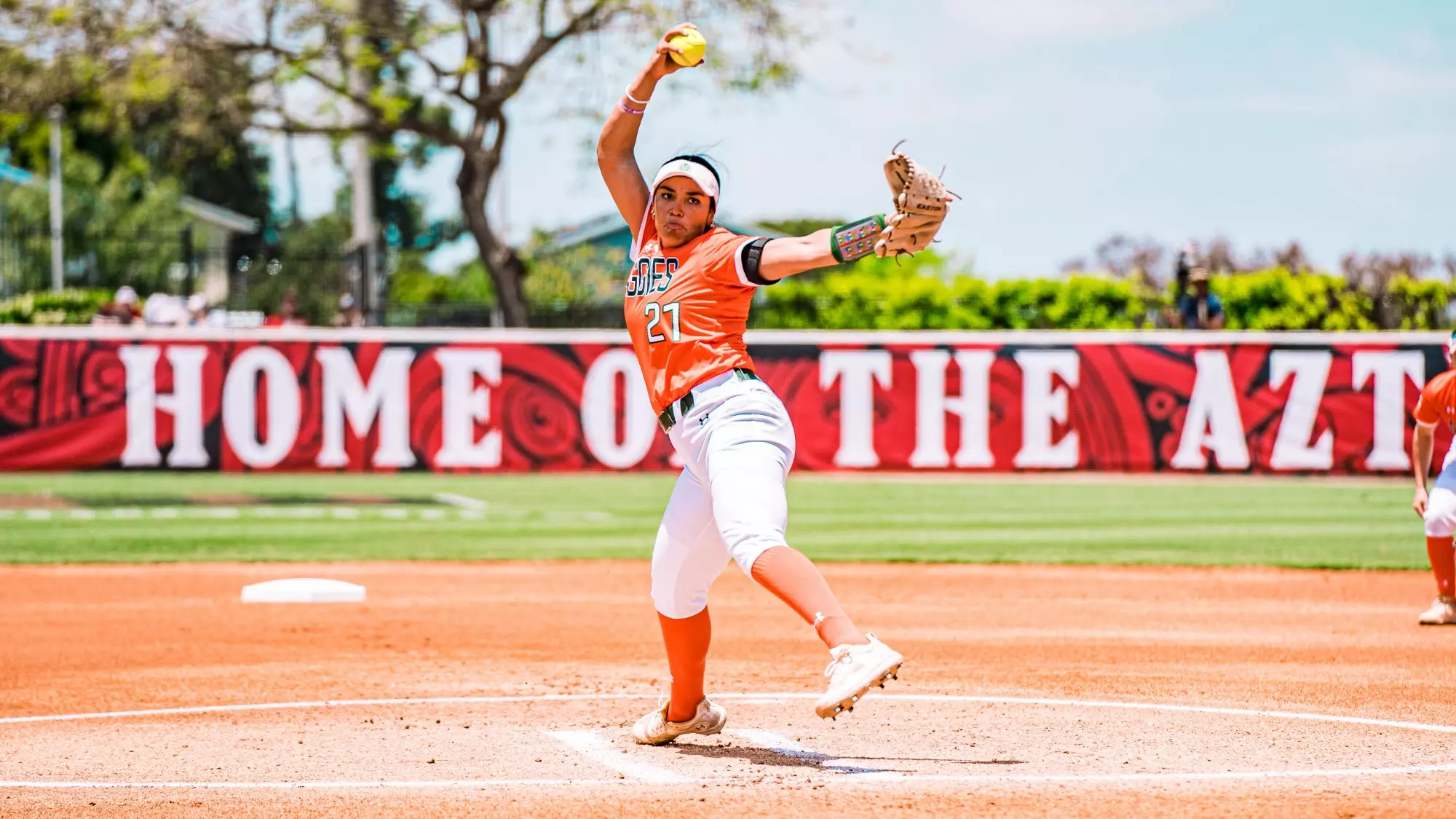
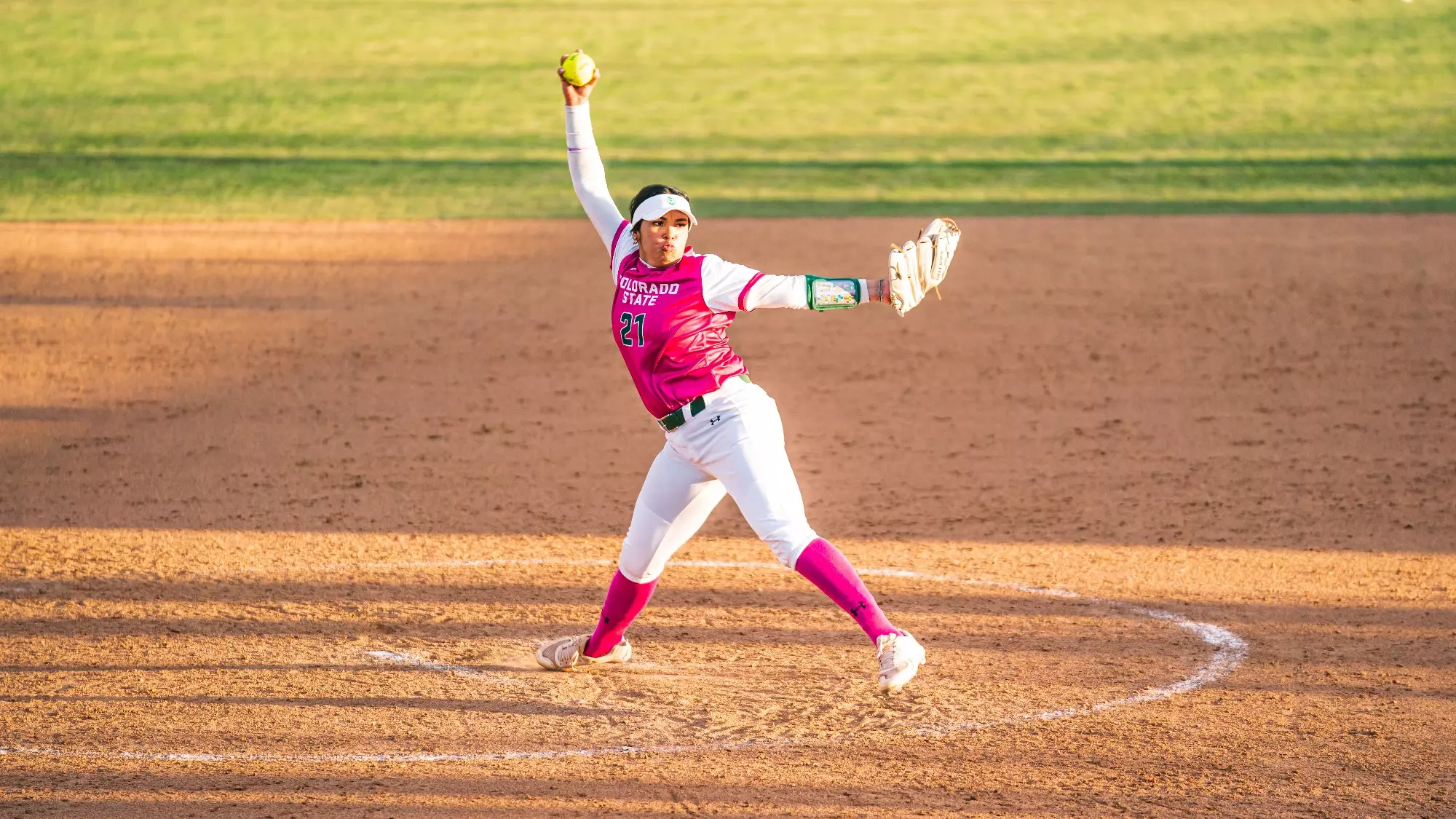
Now one of nine graduating seniors on the Colorado State softball team, Serna will build on her role as hitter and pitcher, a dual responsibility which few others come across. She likely won’t start many games for the Rams or be high up in the batting order, but the double duty she’ll play as a reliever and a middle-of-the-order batter is what makes her role on the team much more special.
“I think the key is just a lot of time outside of practice, just trying to be as comfortable as I can,” Serna said. “I'm missing a lot of reps having to balance defense, hitting and pitching. But I think it’s just trusting my practice and my preparation I put into it, and it's all mental too. A lot of it is just flushing out each pitch and just kind of looking at what's to come next with the team.”
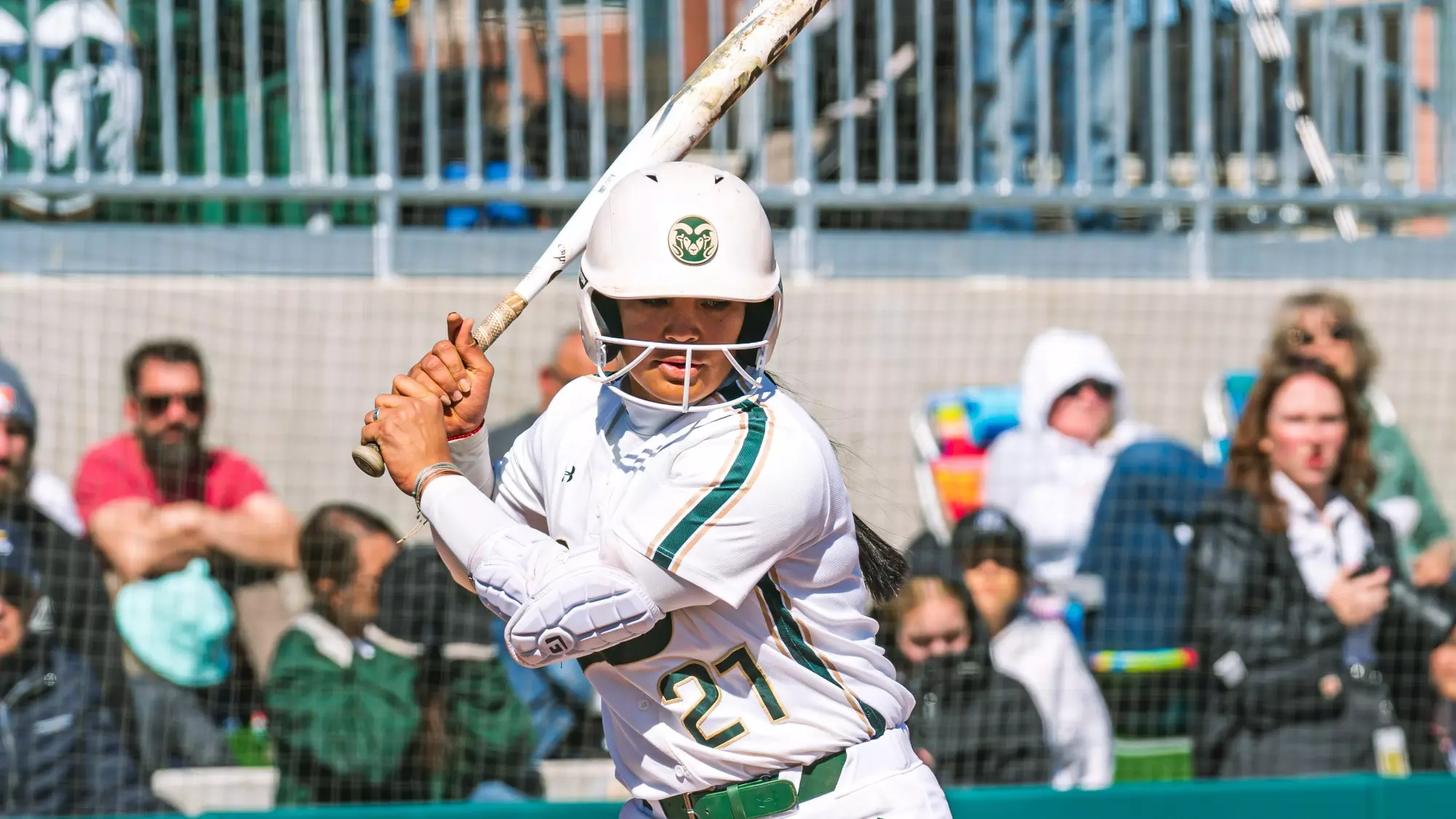
She got a good taste of the job last season and, thanks to her work ethic which teammate and roommate Peyton Allen speaks highly about, she simultaneously became the go-to reliever for Sydney Hornbuckle and one of the six .300 hitters on the team.
At the plate, she had career highs in hits (43), doubles (11), and RBI (28) while walking more than twice as much as striking out. From the mound, she recorded a career-high 84 innings pitched while racking up 11 wins, more than she earned in her previous three years combined.
“It's crazy. Our freshman year I loved catching her and I begged Coach Fisher to let me catch senior day, but I don't think that'll happen,” Allen said. “It's just crazy because she just worked so hard and she's definitely one of the top two-way players in this game in the country, I would say.
“You look at Valerie Cagle at Clemson and she does the same thing but I'm like, ‘Nellie can drop bombs and she's a stud at first base, too.’ When she's on the right side with me, I just know her and I have such a good connection, nothing's getting by us and just playing with her is so much fun. But I really think it's just a testament to how much work she puts in, how much she loves her team and how much she loves the game.”
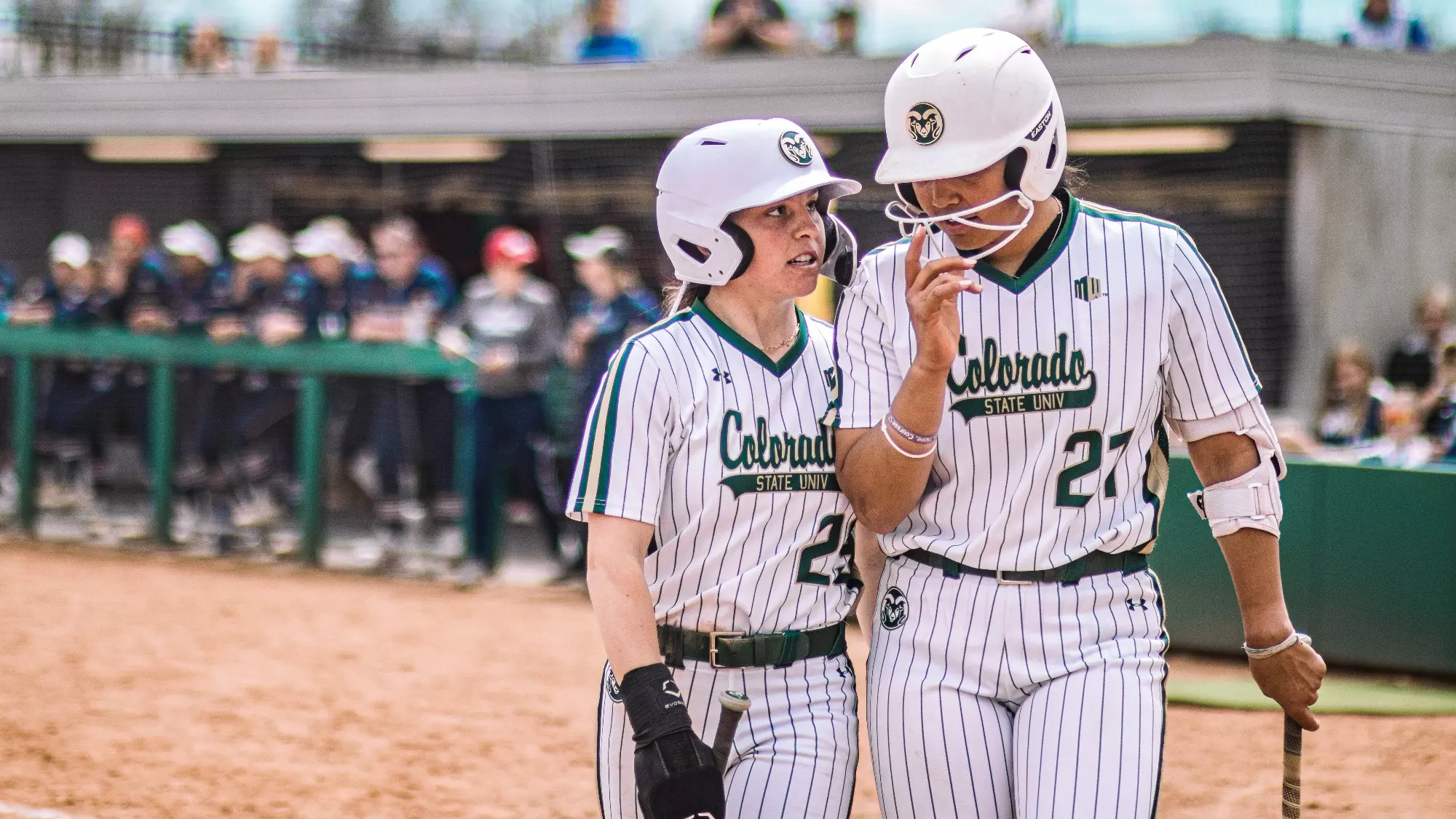
As one of Serna's roommates, Allen has gotten an all-access pass to Serna’s life, how she operates and exactly how much she’s worked to the point she’s relied on in two — sometimes even three — different roles on the team.
Not often does a player of that caliber show up for a program. Even less frequently do they teach themselves the game up until college.
“She told me she was all self-taught and when you hear a player like her teach herself how to pitch and she got herself here, I think that is just one of the most inspiring stories ever,” Allen said. “And she takes on a lot and she'll never talk to anyone about it, but you know, she'll be there for you any time.”
She comes out here all the time and works when no one's watching. No one really knows she's even working, and I think last year she put in a lot of that work.Peyton Allen
In some cases where an athlete plays a sport for years without proper coaching or guidance, there can exist a period of adjustment once they get to campus. Mechanical errors need to be fixed, or stubborn bad habits must be handled.
It was almost the opposite with Serna, according to Rams coach Jen Fisher. There were very few bumps in the road or hiccups in her training.
Besides, Fisher's coaching style doesn’t really fit with fixing things she considers wrong, anyway. Rather, she likes to watch and learn a player for herself, then build on what exactly works well for them. That way, the bad sometimes works itself out. And if the good is good enough, she’ll take it and apply it to other members of the team.
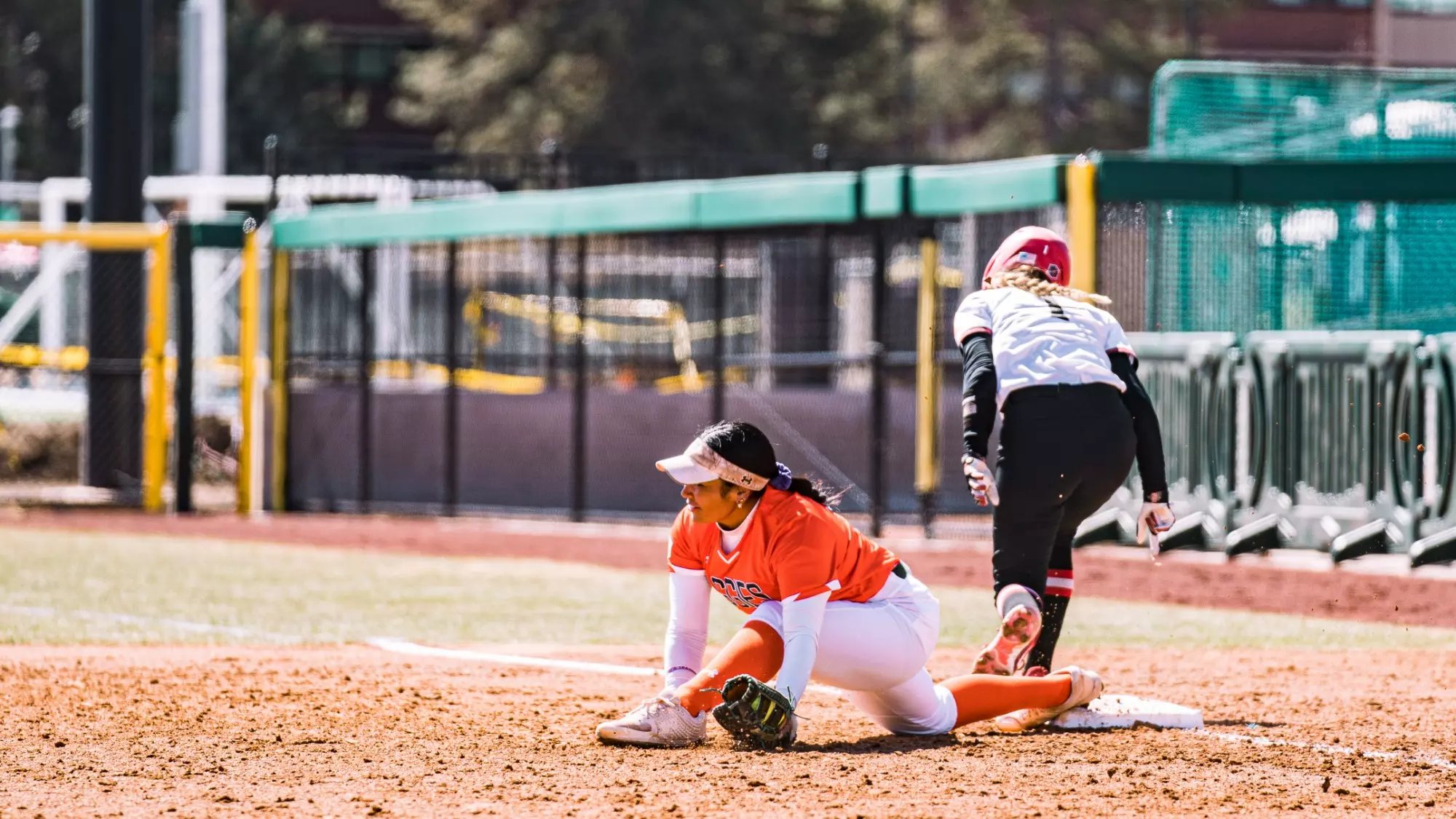
Serna’s raw talent at any of her positions — whether she’s at the plate, in the circle or at first base — generally makes Fisher’s job much easier. Need an example of what to do in a given situation? Go watch Serna.
So, what makes a player, who had never really been coached until arriving in Fort Collins four years ago, the gold standard for a team?
“I think since freshman year, all the seniors at that time were just like ‘she's something different.’ And you knew it; she was a hard worker,” Allen said. “She comes out here all the time and works when no one's watching. No one really knows she's even working, and I think last year she put in a lot of that work. She would come and hit extra probably once or twice a day. So, to see that average kick up was awesome to see because that's just working in silence, and it is paying off.”
She doesn’t spend hours hitting off a tee for any recognition from her teammates or her coach. Sometimes she’ll take time to work with her fellow Rams after practice or over weekends during the offseason, whether to coach them up or just to enjoy the grind together.
Fisher had no idea that was happening until other players started casually mentioning their after-hours work to her. ‘Nelly and I worked on ___ the other day’ became a common thing for Fisher to hear over time.
Which drove her a little crazy at first — she wishes just once that Serna took credit for working extra at her game. No matter the tough health and exercise science program she’s in. Never mind the time spent at an internship at a local high school.
The truth is, it’s never been for praise or even credit. It’s about the team, and it always has been. As far as getting into the habit of staying late and getting more reps in? Maybe that’s the former basketball player in her, trading countless shots in an empty gym for swings at a tee as the sun sets over Horsetooth Mountain.
What Serna has fostered is a culture based on a selfless, almost compulsive need to get better at your role for the benefit of the team. A culture based on showing, not telling, what’s possible with some extra effort.
“It’s a gift, it really is. As a coach, you hear these other stories of top players being prima donnas,” Fisher said. “She has never once acted that way at all, you know, not even close. I mean, she's just been a coach's dream and she's set the tone for the culture and expectations. That is going to be a legacy.”
In many ways, Serna embodies what it means to have passion for a game which at times can be brutal. To have a deep belief in a team hungry for a conference title. To have the humility to put your head down and log extra hours to no one else’s knowledge but your own.
She’ll tell you she’s not really the vocal type, but she recognizes her duty as a veteran and role model of the team, so she’s trying to get that part down. At the same time, if leading by example does the trick, then watch and learn.
Knowing this season is the graduate student’s last, paired with the amount of time spent loving improving on the game, comes with a bit of pressure. More excitement, though, particularly after the way last season ended.
After securing the Mountain West’s third seed with a 27-19 record, CSU’s first winning season since claiming the regular season title in 2019, the Rams lost 11-0 at the hands of sixth-seeded Nevada.
A gut-wrenching loss, sure. But one the team knew it had to flush and move forward. And they did it quickly.
“I think they've handled that loss with maturity, like women, and that's already out the window. That got taken care of in the fall,” Fisher said. “They said, ‘OK, we believe in ourselves and we're better, we know we are.’ I think it's out of their minds and I like it that way. I want it to be that way because, you know, it happens.
“I think they're really hungry to win. We're not trying to win because we didn't win last year, we’re trying to win because we love to win. Just because we didn't show up well to one single game, that's not going to define us.”
Serna, Fisher, Allen and the rest of the Rams know they’re good enough to win a championship. The nine seniors on the team — Serna, especially — have seen to it their entire tenure at CSU.
Some of the younger players are good enough to play a big role in the chase, too. Following Serna's example will hopefully lead to combining their own raw talent with the maturity and concentration needed to win as many games as possible.
Just put in the work. No one knows where it might take you.