
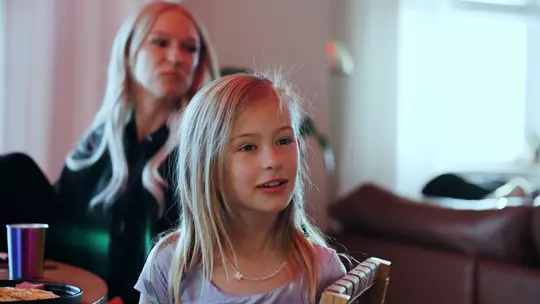
Farokhmanesh family uses platform to bring awareness for neurodivergent inclusivity
Mike Brohard
She wants the setting to be comfortable. Right. Welcoming.
So Mila Farokhmanesh heads to her room and calls out for Alexa to play ‘Toothless Dancing.’ Alexa does not respond, so she heads to the device only to realize it’s not plugged in. Now working, she asks again, then heads to her bed to retrieve her stuffed dragon and sit on the floor near her mother, Mallory.
Then the conversation starts. Mila’s attention seems to go from here to there, sometimes to the dragon, others to the family cat, Cheeto. At one point, she simply starts staring out the window in her room, her mind apparently somewhere else.
Then she injects herself into the topic of her being autistic and how she sees herself as any other 7-year old girl, proving she’s been in tune with what’s been said the entire time.
“Well, I may be super focused, and you have to tap on me,” Mila said. “I'm looking around and I see like different things and a lot of different things. I looked there because I see those dots over there, the dots on the window.”
There they are, condensation forming on the pane as the day starts to heat up and the evening frost dissipates. One can hardly see them, lost in the backdrop of the world outside the window, but they are there if you look close enough.
This is one of Mila’s “superpowers.” She can see exceptionally well. She hears better than most, which can be tricky for parents trying to talk in hushed tones around their children. It’s not uncommon for Mila, in another room, to shout, “I can hear you.”
She can literally see the forest through the trees.
“OK,” she starts, “you're looking at a picture with trees all over it like a forest. But then I look I see maybe a butterfly or a bird or a raccoon or a tunnel.”
Just prior to her fourth birthday, Mila was diagnosed with AuDHD (or AutiADHD), which is a combination of Autism Spectrum Disorder (ASD) and Attention-Deficit/Hyperactivity Disorder (ADHD). What it requires is support tailored to acknowledge both conditions.
Getting to that point took forever, naturally a frustrating time for both Mallory and her husband, Ali, Colorado State’s men’s basketball coach. When Mila was just nine-months old, she started taking spoonfuls of potted soil in her mouth and ingesting it to a point. She also became hyper-verbal, speaking at a 3-year-old level when she was just barely past a year.
“It raised our alarms. The really unfortunate thing and why it took us so long to get a full diagnosis was because diagnostic criteria is generally formed around the way that boys present with autism, and it's only in the last 10 years that they've been trying to incorporate more about how like girls present,” Mallory said. “They present so differently. They are more talkative. They have a better ability to mask around people, so almost hide their symptoms and fit in or mirror people better. That's why a lot of girls don't get diagnosed as much as boys.”
Mila jumps in again, mentioning crayons as her favorite thing to eat, though sand and grass are possible. Getting a diagnosis meant through therapy, Mila could recognize those cravings to mean she is hungry, or thirsty, and that she should put food in her body.
Which is why they as parents are happy that Ali, as a basketball coach, has platform to host the Neurodivergent Inclusivity Initiative at Sunday’s game against Northern New Mexico at Moby Arena (1 p.m.). As he notes, his wife has always been geared toward helping others, a big reason she was a critical care nurse. They even discussed having such a platform years ago before he became a head coach, long before Mila was diagnosed.
“It's in her nature to help people,” Ali said of his wife. “So it was always a thing that if I ever became a head coach, this was the platform for Mal to be able to help other people. I think that's what this is about. I think it's more of an educational thing but also support for people who don't know what to do or how to help or how to see things from a different viewpoint. And I think it's creating those opportunities to get the expertise, and get the resources, and show where those resources are and where they're available for people who might not completely understand what's going on or need help with certain situations and not knowing where to go.
“I was lucky enough to have Mal with me and her knowing where to go and where to find information and how to help Mila and then help us help Mila, and she would help us help ourselves. I think this is going to allow for some people to find resources, find the help, and connect those dots because sometimes you just don't know what you don't know. I think that's what this is about is not getting to the point where you don't have to not know what you don't know because there's so many resources out there for people. We're lucky enough to be at a world-class university that also has someone like Temple Grandin that has stood out on a platform already, and I think that only made this easier to be able to do too.”
For those working with those diagnosed as neurodivergent, any chance to help raise awareness and provide education are important. Neurodivergent is an umbrella which additionally includes depression, anxiety, dyslexia and more.
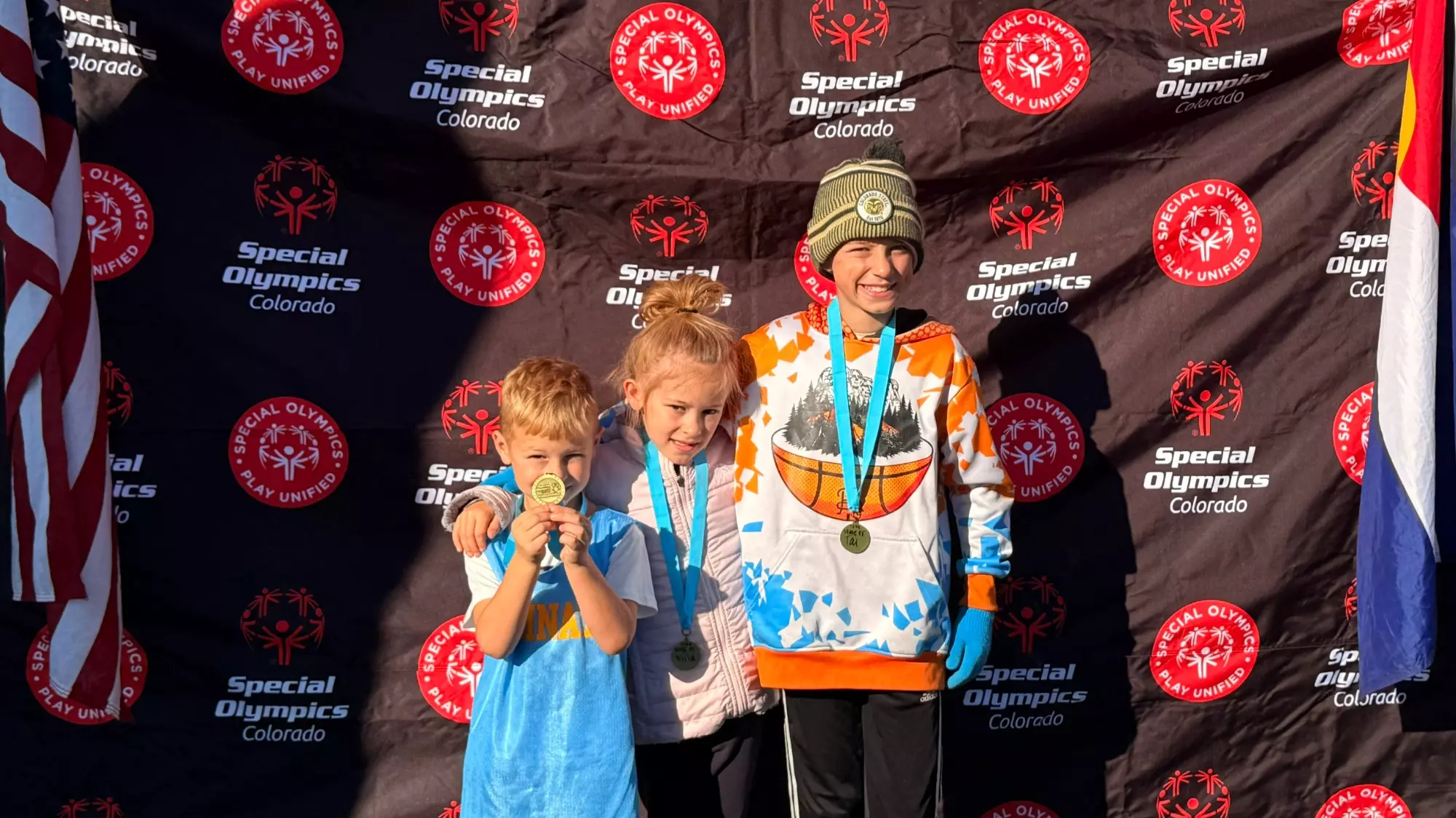
Molly Underly, who has worked with Special Olympics Colorado since 2007 and has been the Northeast Region Unified Champion Schools Coordinator for the past year, knows raising awareness can aid in multiple ways.
“Planting the seeds like awareness, just being present and being aware, in my opinion, is where we have to start,” she said. “Then as we grow those relationships, how do we educate people around this topic?
“I think these days are hugely important just because we're really addressing the whole person, and sometimes in classrooms or in other activities, we don't always consider that, or we have a lack of understanding. So as much as we can educate people, I think the better.”
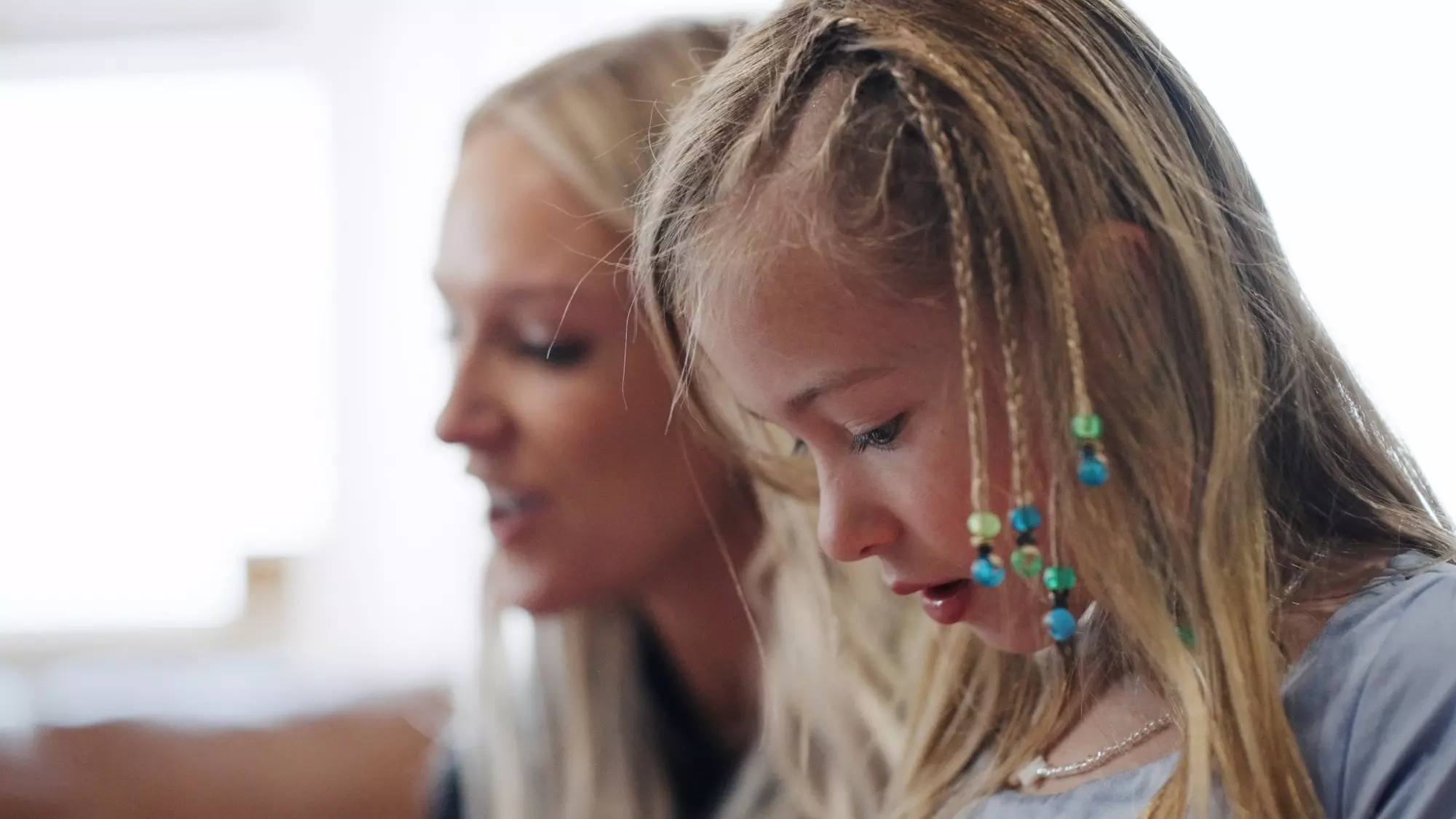
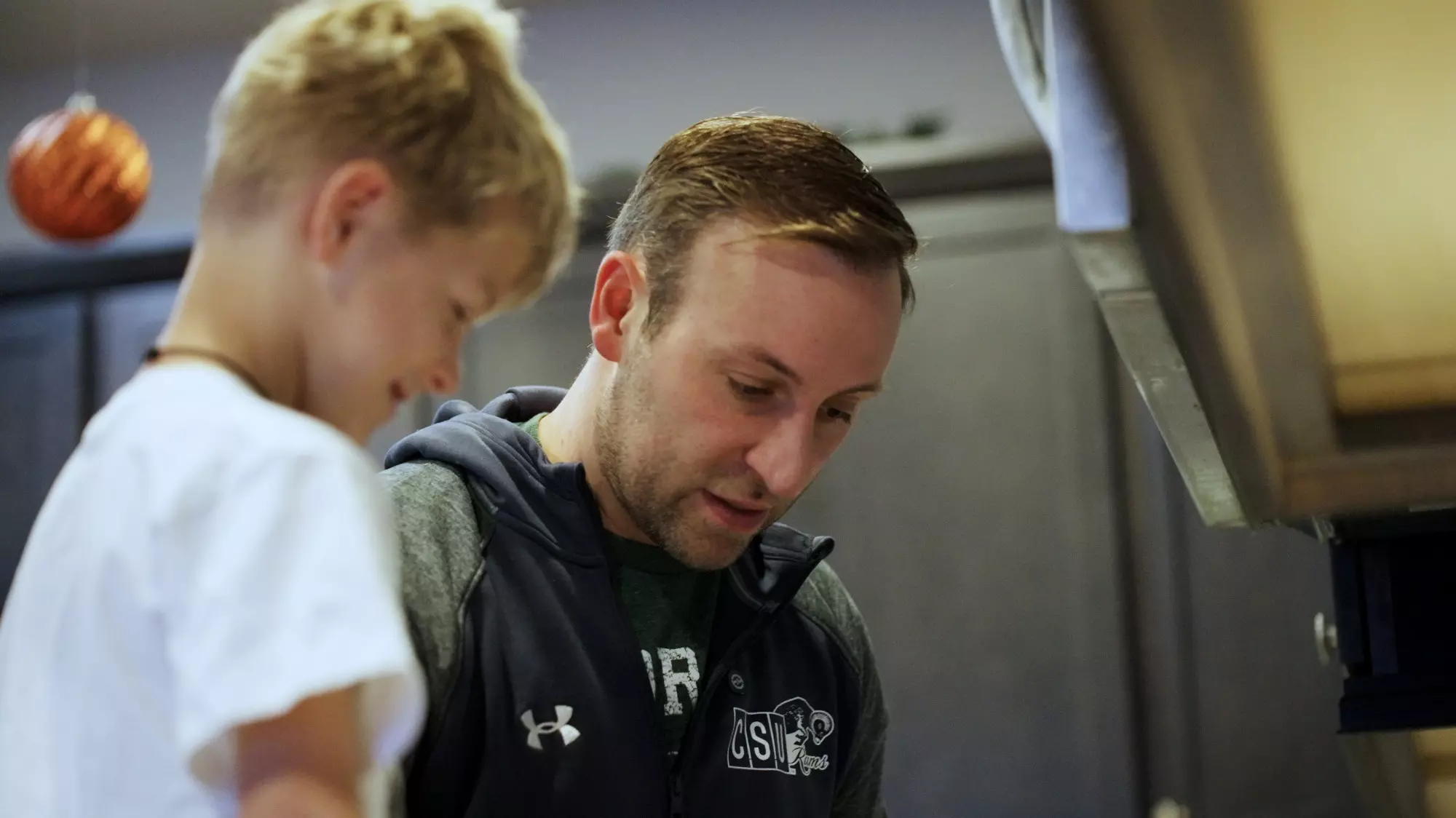
I think Mal's instilled confidence in her to understand who she is, and understand better about who she is, and be confident in who she is. I think every adult's trying to strive for that. So for a 7-year-old to grasp that is pretty amazing.Ali Farokhmanesh
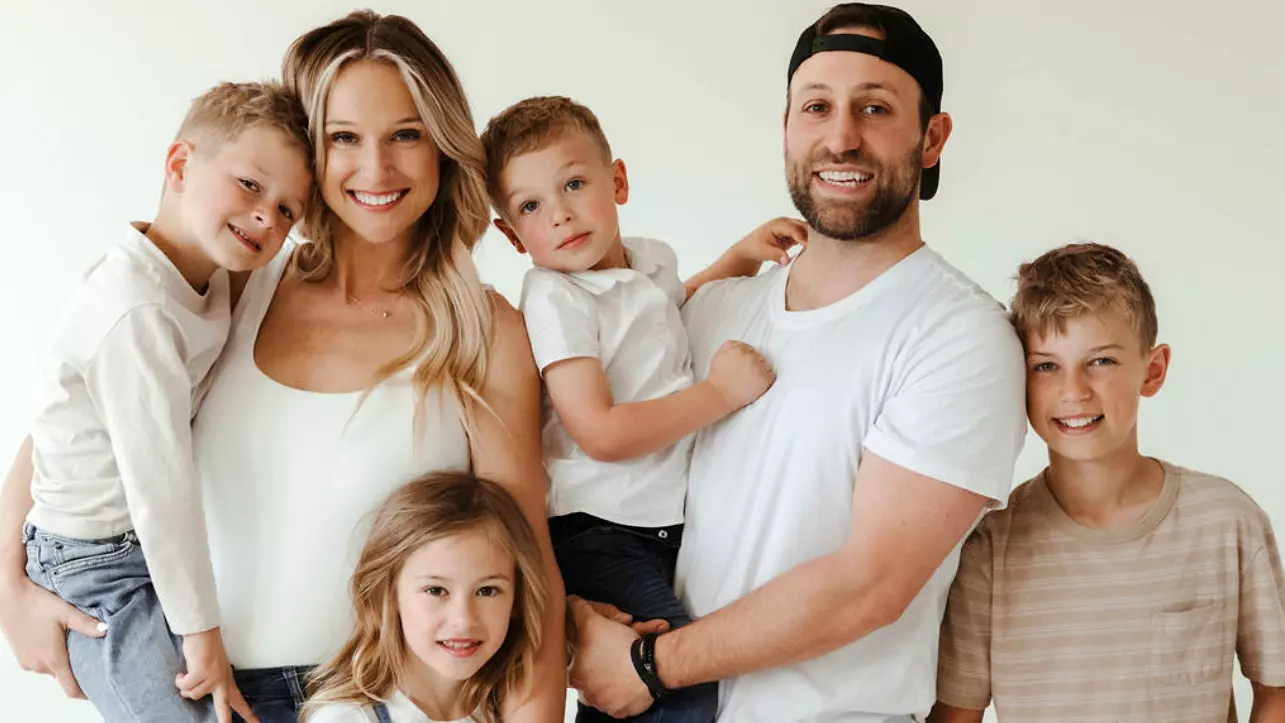
The Farokhmanesh family agrees, because the delayed diagnosis set back possible help for Mila for a spell. Mallory spent hours of her day reading articles or watching videos before bed for any tips on how to help her daughter. Not just as parents, but as a family. They have an older son, Tai, who is 11. Mila has two younger brothers, Liam (6) and Luka (4).
As parents they were learning. As a family, too.
“That was one of the first conversations that Ali and I talked about, and we figured how do we want to proceed? Do we want to not talk about it?” Mallory said. “Do we want to tell Tai because he was 7, and so he's at the age where he can know and understand? How do you want to proceed with life moving forward, and we decided that it will never be a secret. It will never be anything to hide from or shy away from, and so our goal was to raise her to be as proud as she can be about it.”
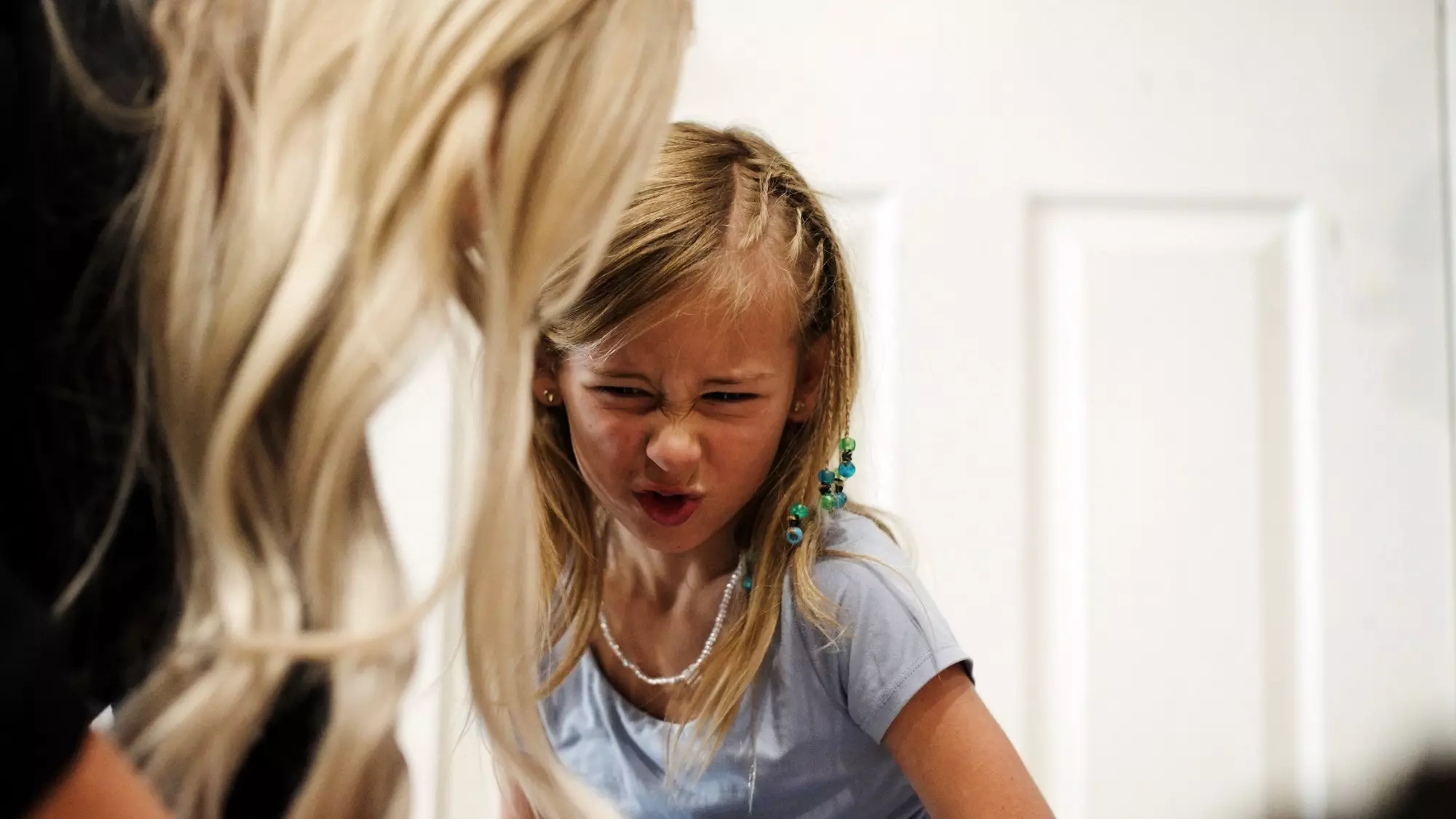
And Mila is proud. Of herself, and her brothers. She doesn’t like it when they wrestle, but she does like the fact Luka has learned when she is “super focused” and not responding, instead of just repeating her name over and over, he walks up and taps her on the shoulder to get her attention.
Labels can be tough on young children. Just not for Mila.
“Some other my friends are also autistic,” she said. “I have lots of friends. And i'm very kind and I'm thankful I have family.”
Her “superpowers” can also lead to overstimulation. She was not at the basketball game with Colorado. It was going to be loud, which can overstimulate her, same with excessively bright lights. A few years back, when Colorado State was playing in the NCAA Tournament in Charlotte, N.C., the whole family was in the lobby waiting for the team to depart for the arena. When the band started to play and the crowd started to chant, Mila sought comfort – as she always does – by hugging her mom. And bear hugs – as big and tight as possible – are the best.
As Mila gets older, the effects can crop up in different ways. She will see and speak in more literal terms than other children, which her brothers are coming to understand. She requires some dedicated attention to counter some aspects, highlight others, and that can be difficult to understand as a sibling.
Working with Mila has been fluid and will remain so. Mallory said it’s really only been in the past eight months that attention to detail has started to become more of the fabric of their life, routine, than additional steps.
Mila has assimilated to school, now in second grade. She has groups of friends, some are girl groups, others being boy groups, a comfort found in growing up in a house of brothers.
The report from school is Mila is social and well liked.
“I like recess and math,” Mila said. “My most favorite is recess because I get to play with my friends and my friends really like when we play.”
But she also likes recess sometimes because it can give her an escape. She will notice something – could be anything – and go off to her own special place. She does it at home sometimes when she needs quiet. She will go to her room, then shortly, go off on adventures in her mind. Some, she says, she remembers. Others are gone as soon as they are finished.
Then Mila explains, pointing to a stuffed cat on her bed.
“Here it is. So, if I am looking at my cat over there, I would probably think can the cat fly?” she starts. “I look at all that stuff and what I can do with that stuff. It’s fur is yellow, its ears and the inside of the ears is blue. Blue and yellow wings, purple feet, blue and purple and yellow wings, so it can fly.”
All the while, they work with her on flexible cognitive thinking. She likes blueberries, so she can’t understand why others do not. The family works on pragmatic language skills, being able to hold a back-and-forth conversation, not just answering questions without asking in return. She has done thousands of hours of therapy in her life, from speech to occupational to behavior analysis.
Most of all, they want her to learn to advocate for herself and what she needs. Every day is another building block for Mila, and she’s built quite the personality.
“She's pretty accepting of herself and what other people might think of her as a 7-year-old. I think that's what most adults are striving for,” Ali said. “I think it's cool that she has the self-awareness. Shoot, I'm striving for self-awareness every day.
“So for a 7-year-old to have that much self-awareness is, I guess, a credit to her mom more than anything else. I think Mal's instilled confidence in her to understand who she is, and understand better about who she is, and be confident in who she is. I think every adult's trying to strive for that. So for a 7-year-old to grasp that is pretty amazing.”
For the most part, Mila sits and listens to the conversation, taking in every aspect of her room, then jumping into the conversation when a particular story comes to mind, be it Cheeto or how big her friend groups at school are.
Most of the time, she’s rather nonchalant about joining the topic, speaking while doing something else. But there are moments when you feel she is really trying to stress a point, and that’s when she makes direct eye contact with her big, brown eyes and says what’s on her mind.
In large part because Mila has found peace with her diagnosis and who it makes her. She understands, and she’s quite comfortable with what it means.
To her, it means she’s a good, friendly person with lots of friends and a family which loves her.
Support Colorado State Athletics: Tickets | Ram Club | CSU NIL Marketplace