

A Pin Turned Permanent
Wearing 14: Giselle Bentley Honors a Lasting Legacy
Liv Sewell
Honor those before you.
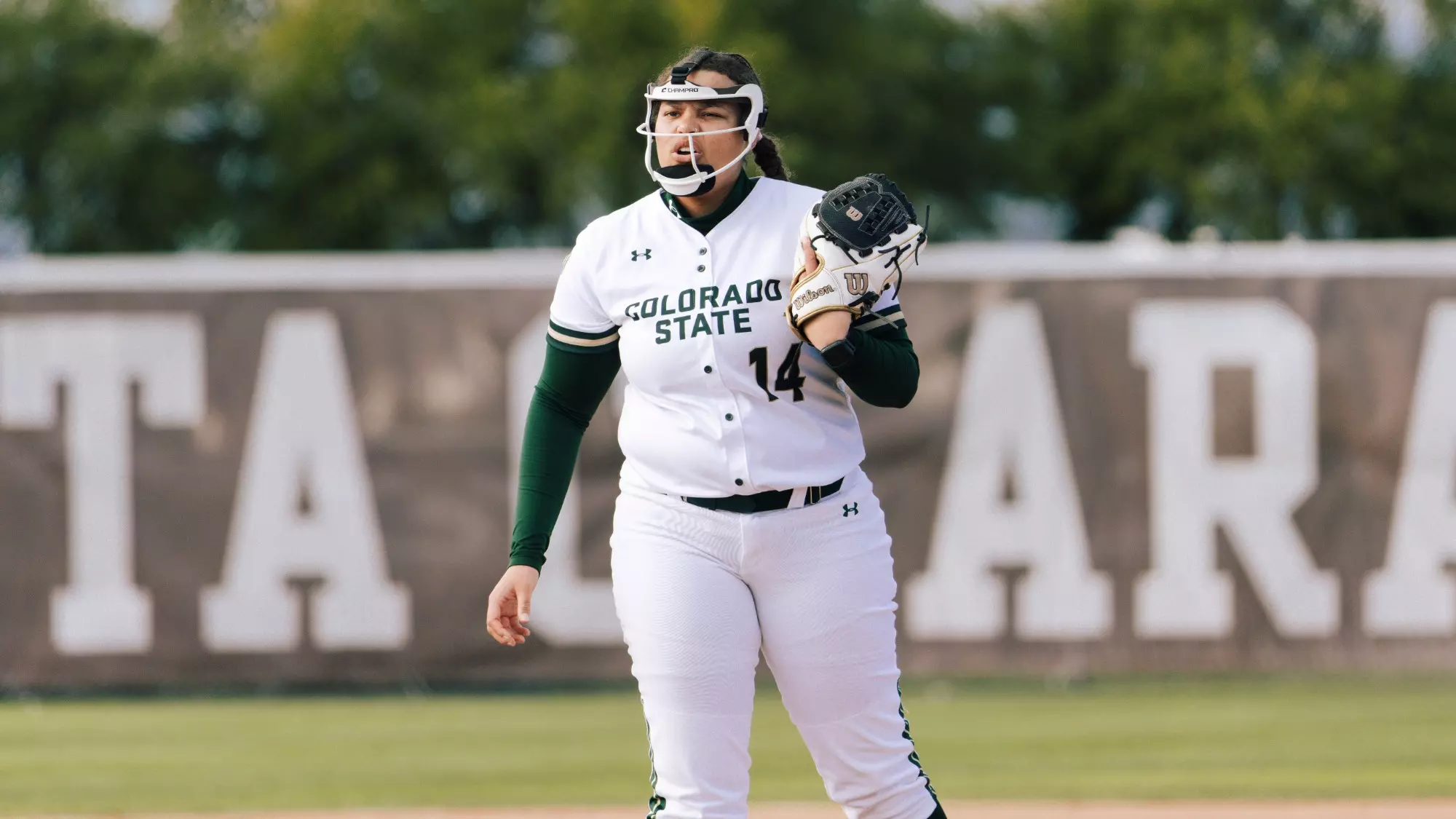
Softball pitcher Giselle Bentley aims to do just that, electing to change her number from 22 to 14 in honor of a new season — and a lasting legacy.
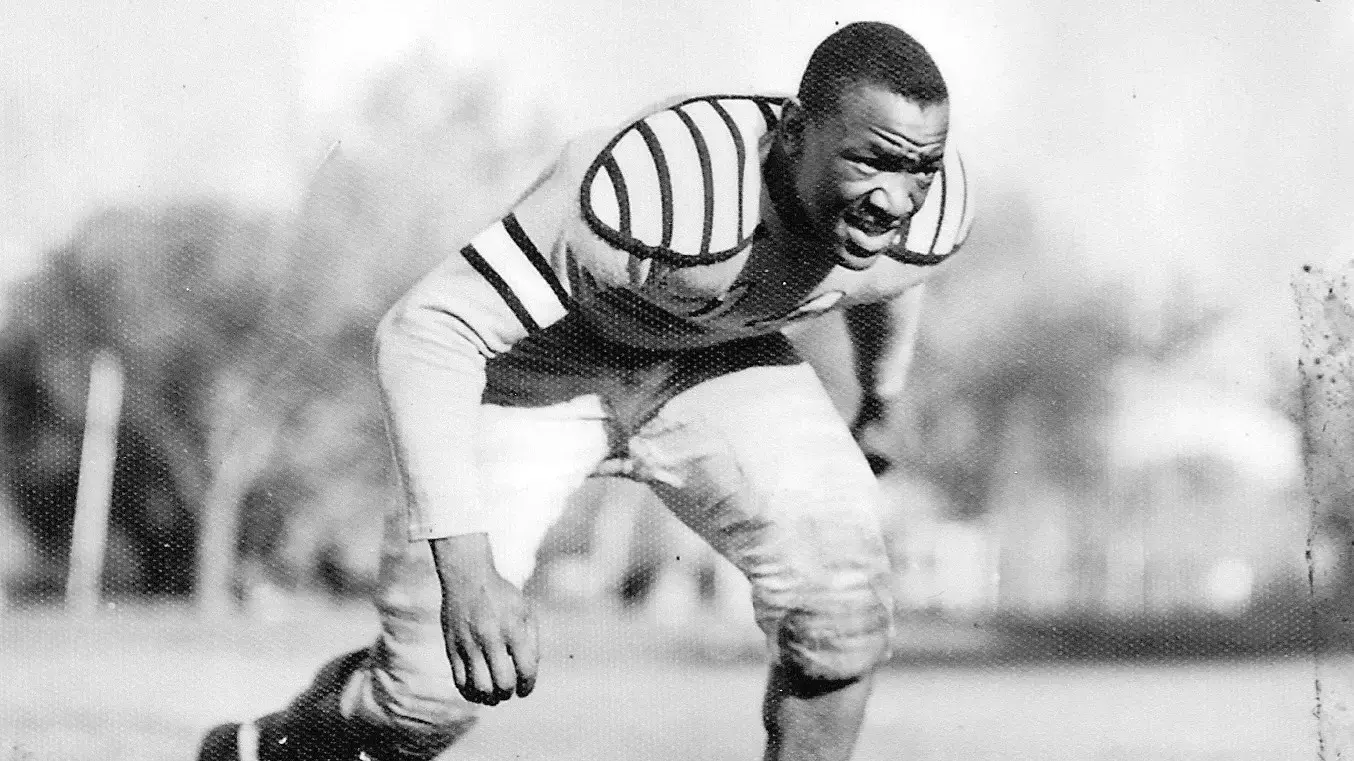
But the number 14 wasn’t chosen on a whim. It was worn by Colorado State’s first Black two-sport letterwinner, Lt. Col. John Mosley.
In 1939, Mosley was one of only 11 Black students on campus out of 2,048. Though he was initially denied a spot on the then all-white football team, his fierce determination pushed through. He ultimately earned a place on the roster, playing three seasons as a fullback.
Now, in the 2024-25 athletic year, his legacy takes center stage.
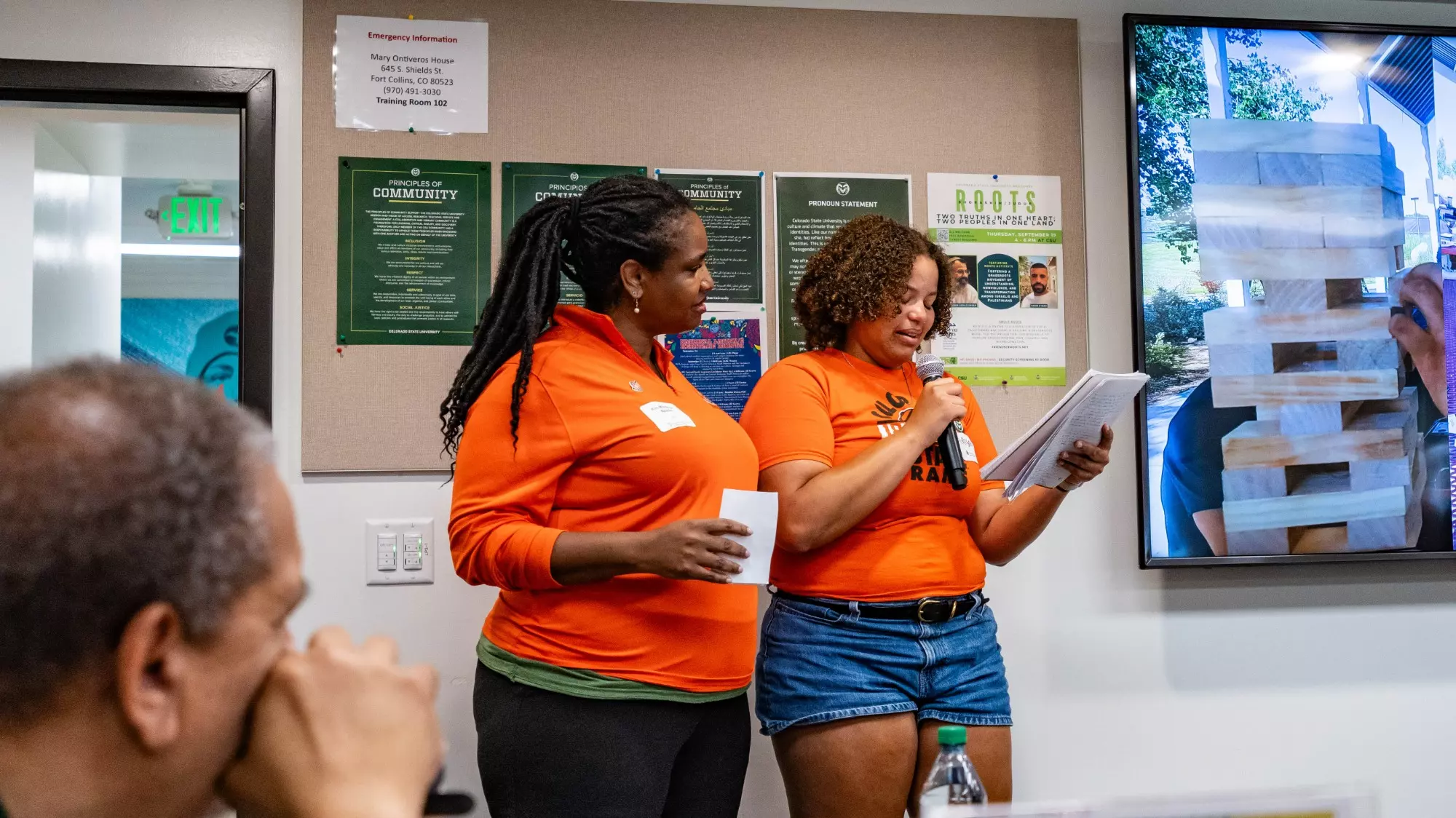
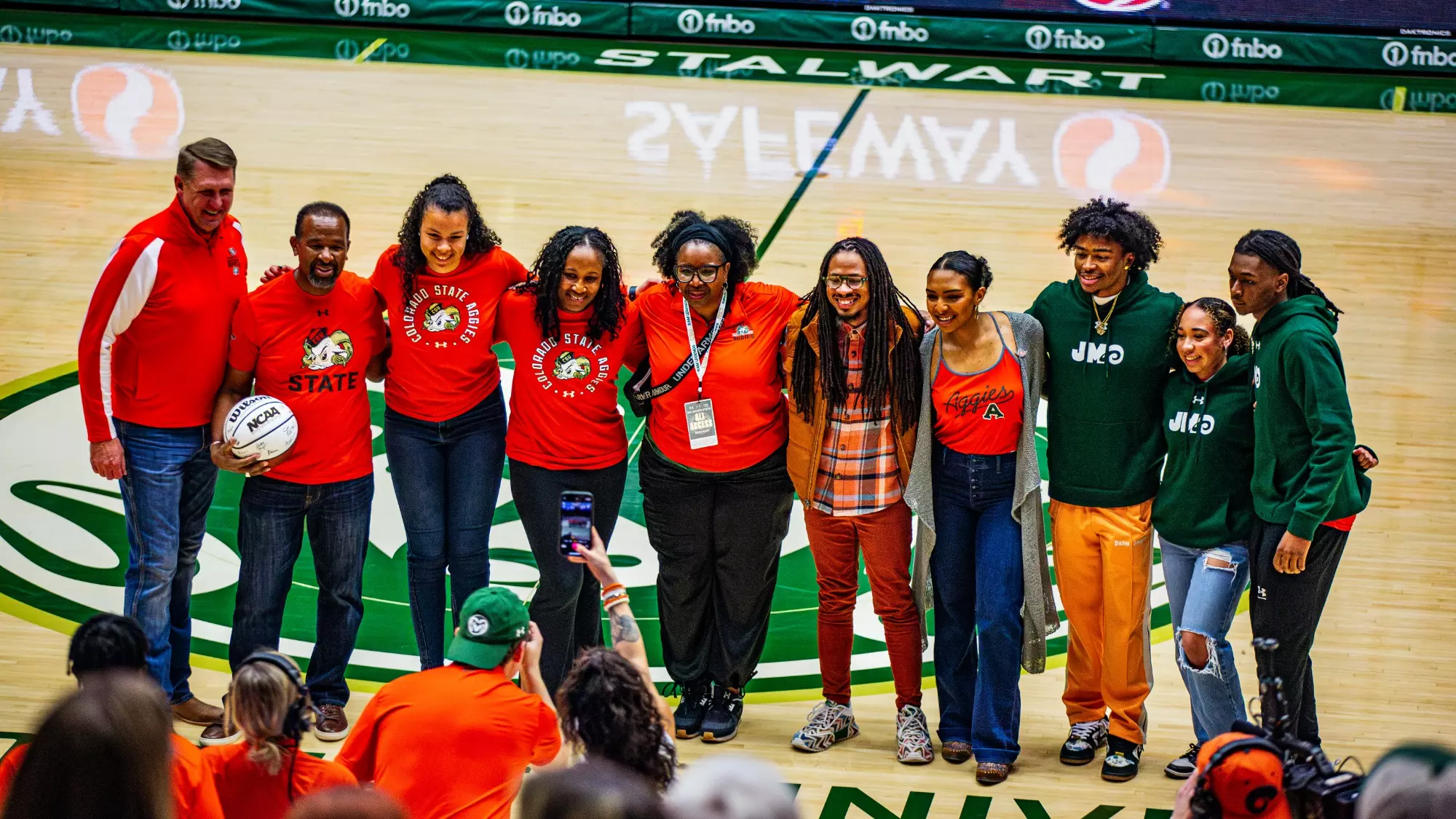
Bentley, a member of the Lt. Col. John Mosley Student-Athlete Mentorship Program — colloquially referred to as J-Mo — through the Black and African American Cultural Center, embraces Mosley’s story in more ways than one. For her, his time at CSU is only a fraction of his remarkable life.
“I would say that going to CSU was one of the least awesome things he did in his life,” Bentley said. “He was a Tuskegee Airman, which was mind-boggling to me. He was also a huge activist in the Denver community. Everything he did was just really cool.”
Though Bentley is a student-athlete now, she looks to Mosley’s full life as inspiration beyond the pitcher’s circle.
An English education major, she credits the mentorship program with expanding her boundaries, helping her discover an unexpected passion.
“Being a part of J-Mo has made me get out of my comfort zone into things that I usually wouldn’t do,” Bentley said. “I came in undeclared, but then I took Education 340. Once a week, you get to go to a middle school. And I thought, ‘Oh my God, I need to teach.’
“I remember my first time shadowing a teacher, just observing. And I asked my mentor teacher, ‘Can I teach?’ And she was like, ‘Okay, cool.’ So, I think it has helped me push and be better than people who are in my same area.”
For many, the program fosters a community where student-athletes can connect, find support, and champion their passions together.
A former member of the program, Naeemah Weathers, a blocker on CSU volleyball, highlighted the importance of this space for Black athletes on campus.
“The John Mosley Leadership Program is huge to me,” Weathers said. “It brought me to a community that I honestly didn’t know existed and gave me hope for the future of Black athletes at CSU. It can be tough, and you can feel kind of on your own when the majority of your teammates, classmates, and other people on campus don’t look like you. Its impact cannot be understated.”

How can we honor him? Because it’s more than just a number. It’s his life. It’s everything he had to endure to get to where he did. It’s important for me to represent myself well, but also for his family, everyone involved in the program, and everyone who comes after.Giselle Bentley
Finding community, learning from history, and staying dedicated to Mosley’s legacy remain core tenets of the program. As well as Weathers, Bentley reinforces the program became a place of solace and understanding, where she met people who shared similar experiences at CSU.
“I’m from Southern California,” Bentley said. “So, coming to CSU was an extreme culture shock. There’s just a lot of white people. I wasn’t really used to being the only brown person in spaces. Coming to Colorado, I already knew what I was stepping into, so I wouldn’t say the program changed that perspective — it just made me so much more grateful for the communities I have.”
Beyond providing a sense of belonging, the program also prioritizes academic and professional development.
Launched in 2012 as a partnership between Student-Athlete Support Services (SASS) and the Black/African American Cultural Center (B/AACC), its impact has only grown over 13 years.
“(It was) designed to assist student-athletes,” said Kim Mbadinga-Nzamba, a veteran CSU athletic administrator who has worked extensively with the program. “Strengthening the relationship between student-athletes and campus resources, this program enhanced leadership opportunities, encouraged academic success and time-management skills, and created a sense of belonging and connection to the campus and surrounding community.
“Objectively, this program reduced the percentage of academic probation, increased retention rates to matriculation, and exposed students to role models and mentors who helped them navigate their transition to CSU.”
As student-athletes juggle rigorous schedules, mentorship becomes a vital anchor in their lives, guiding them not only through college but toward their futures beyond sports.
“It keeps me grounded outside of softball,” Bentley said. “The program does a great job of building skills outside of athletics. One of my favorite things we do is attend the Black Student-Athlete Summit, where Black student-athletes from across the country come together to network and connect.
“That was a huge part of my professional development. I would’ve never known about it if it weren’t for J-Mo. Because of that conference, I got to go to another one at Texas at Austin, and I can carry all of those experiences into my future.”
Mosley’s presence remains on campus — not just in the stories told about him but in the actions of the athletes who carry his legacy forward. Through mentorship, leadership, and a commitment to honoring those who came before them, student-athletes like Bentley ensure that his impact does not fade.
Mosley’s influence reaches far beyond the football field or the history books. His perseverance paved the way for future generations of Black athletes, ensuring they would not face the same struggles alone.
“(It’s his) legacy and learning about the man who wore 14,” Mbadinga-Nzamba said. “His story, his resiliency, bravery, and courage to be himself and strive for excellence in all he did. For all of our student-athletes, I think that this is an inspiring guiding light in their time here at CSU. For our student-athletes from underrepresented backgrounds, (the program) can provide a relatable source of inspiration and encouragement for them as well.”
The continuation of his story lies in the hands of those who recognize his contributions and use them as a foundation for their own growth. Through programs like the Lt. Col. John Mosley Student-Athlete Mentorship Program, his impact is not only preserved but amplified, encouraging student-athletes to become leaders and change-makers in their own right.
Because 14 remains in the rafters as a reminder — honor those who came before and represent them with pride.
“How can we honor him?” Bentley said. “Because it’s more than just a number. It’s his life. It’s everything he had to endure to get to where he did. It’s important for me to represent myself well, but also for his family, everyone involved in the program, and everyone who comes after.”
His number may be on Bentley’s jersey, but his influence is imprinted on the entire university —etched into its history, shaping its present, and inspiring its future.
Because legacies don’t just live in the past. They lead the way forward.
Support Colorado State Athletics: Tickets | Ram Club | Green And Gold Guard