

Nutrition Program Turning a New Leaf
Skinner, Haen building an encompassing plan for CSU athletics
Mike Brohard
Not just feed the fire, feed it correctly.
Through the right channels. With the exact formula of what the body needs, when it needs it and in the right moments. To do that, Megan Skinner and Jackson Haen need to have a pathway to the area above the shoulders. The entrance there starts with trust.
Both of them, just hired in the past year to lead the performance nutrition department for Colorado State athletics, have leaned into building relationships with the coaching staffs and, in particular, the student-athletes they’re devoted to helping succeed.
“There's a lot of pressure on these athletes to perform. So you can take different approaches to this, but I really respect and look at an athlete as a holistic person,” said Skinner, the assistant athletic director in the department. “So I never want to force anybody to do anything, but I think that's part of that relationship building and trust, is if you can spend time with them and be in their environment and kind of chip away at that and get them to be, ‘OK, I'm going to buy into this because you care about me, you know what you're talking about.’”
Both were handed a blank canvas to work with, to craft a nutrition program, a priority project in the thinking of Director of Athletics John Weber, one which would benefit every program and student-athlete.
The idea of nutrition is still relatively in the infant stage in college athletics, only stepping into a position of prominence in the past two decades. Colorado State had been among the pioneers among its peers, but Weber desired more. John Fravel is the third member of their team – spending half of his time as a professor on campus and the other half working with athletics.
Being hired after the start of the academic calendar can present some limitations, but it hasn’t darkened the long-term vision Skinner and Haen hold. They have started with building trust. They want to expand the education for each student-athlete, broaden the accessibility to knowledge and the fuel they provide. Part of that education is not just what, but how, with the hope they can create cooking classes for the department.
“We do a lot of things as sports dietitians, but some of the pillars of what we do, like nutrition education, is really huge. And then when we educate athletes, we do it in a lot of different ways,” Skinner said. “Jackson's come in and done a really great job with the football team doing in-person education, kind of like classroom setting, but he's also done education around mealtimes and fueling stations, point of decision, putting up signs and handouts or things that when the football guys over there are building their plates, they know what a weight-gain plate looks like or a maintain or a body recomp plate looks like.”
Not just information, but the correct information, because in today’s social media world, everybody claims to be an expert. Haen knows the players are scrolling through their feeds, being inundated with information from nutrition of health influencers. He knows this to be true because he’s been asked about what the players have seen.
In one instance a player was dealing with cramps and found a “solution” on his feed. Haen explained an actual antidote – carbs, not electrolytes. The rest of spring practice, problem solved.
Education based upon trust.
“Exactly, because if they're the ones seeing you as the reputable source and finding ways to create that feedback loop with them so that they start to see, hey, we talked about doing X, Y, or Z, you saw this result as a as a product of that,” Haen said. “Then it's, OK, maybe that stuff I saw on TikTok or whatever wasn't the best advice.
“It’s creating those little feedback loops to where it's, OK, yeah, maybe you guys do know what you're talking about. Yeah, maybe a little bit. I might know a little bit more than TikTok. We need a little bit more than that to pass those board exams. I think that's a big part of it is there's so much information now you need to put yourself in that position where the athlete does see you.”
Sports nutrition isn’t throwing up the food pyramid up on a wall and saying follow the rules most people were taught in elementary school. A body in motion, one in development with the primary intent of peak performance requires much more.
I'm just so grateful that I got to have the opportunity to get all this knowledge.Hanna Haber
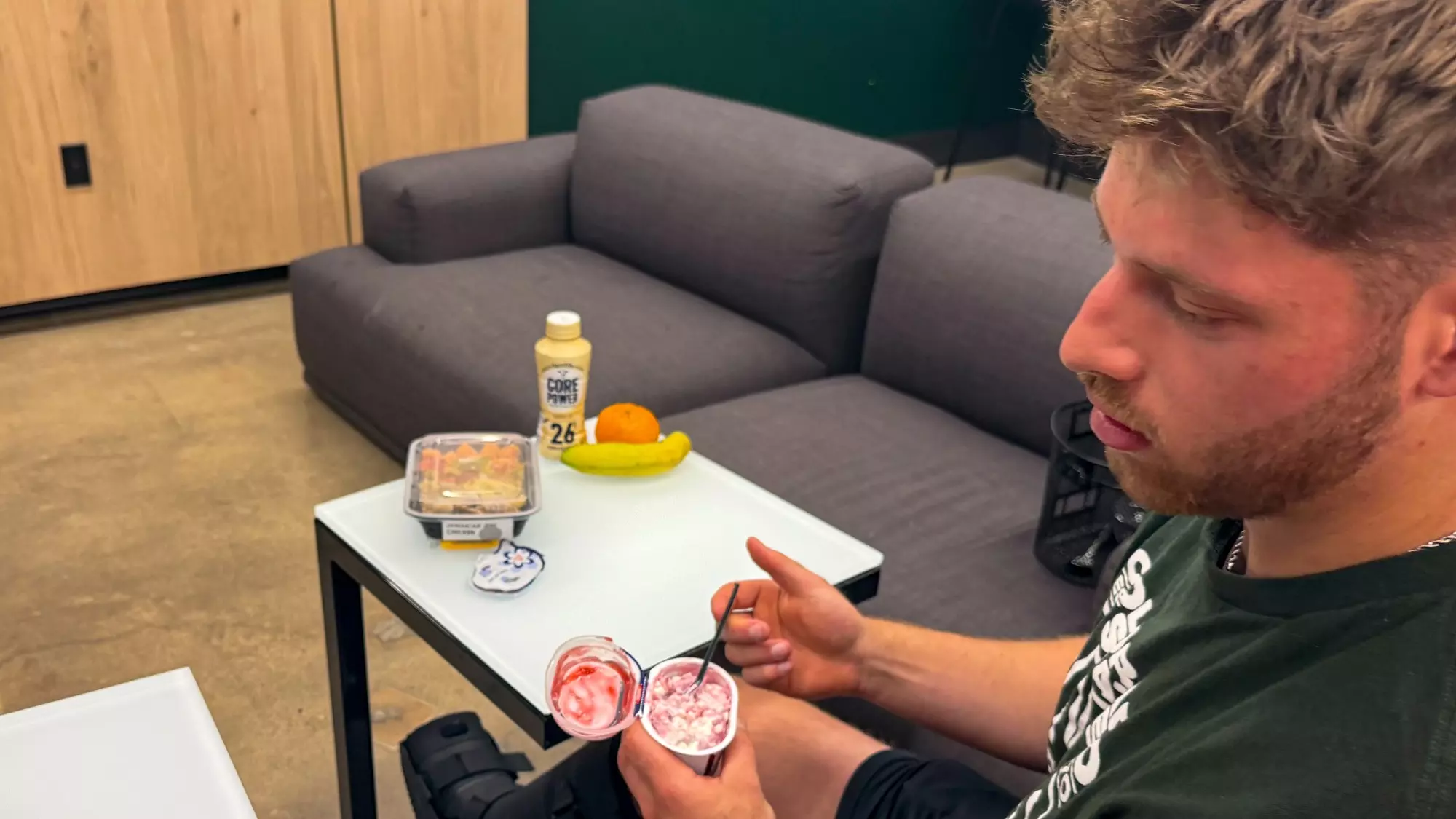
It will catch some off guard the idea is to eat five or six times a day, roughly every three hours or so. There’s also what it means. Not five or six meals, per se, but some of them being snacks. It’s not just intaking blind calories, but what they actually need.
The parameters extend further. Where a performer is in the season or training cycle and specific goals such as bulking up, maintaining or scaling back. They need the knowledge to know what their “ideal” body looks like may, or may not be, attainable. Builds and genetics vary.
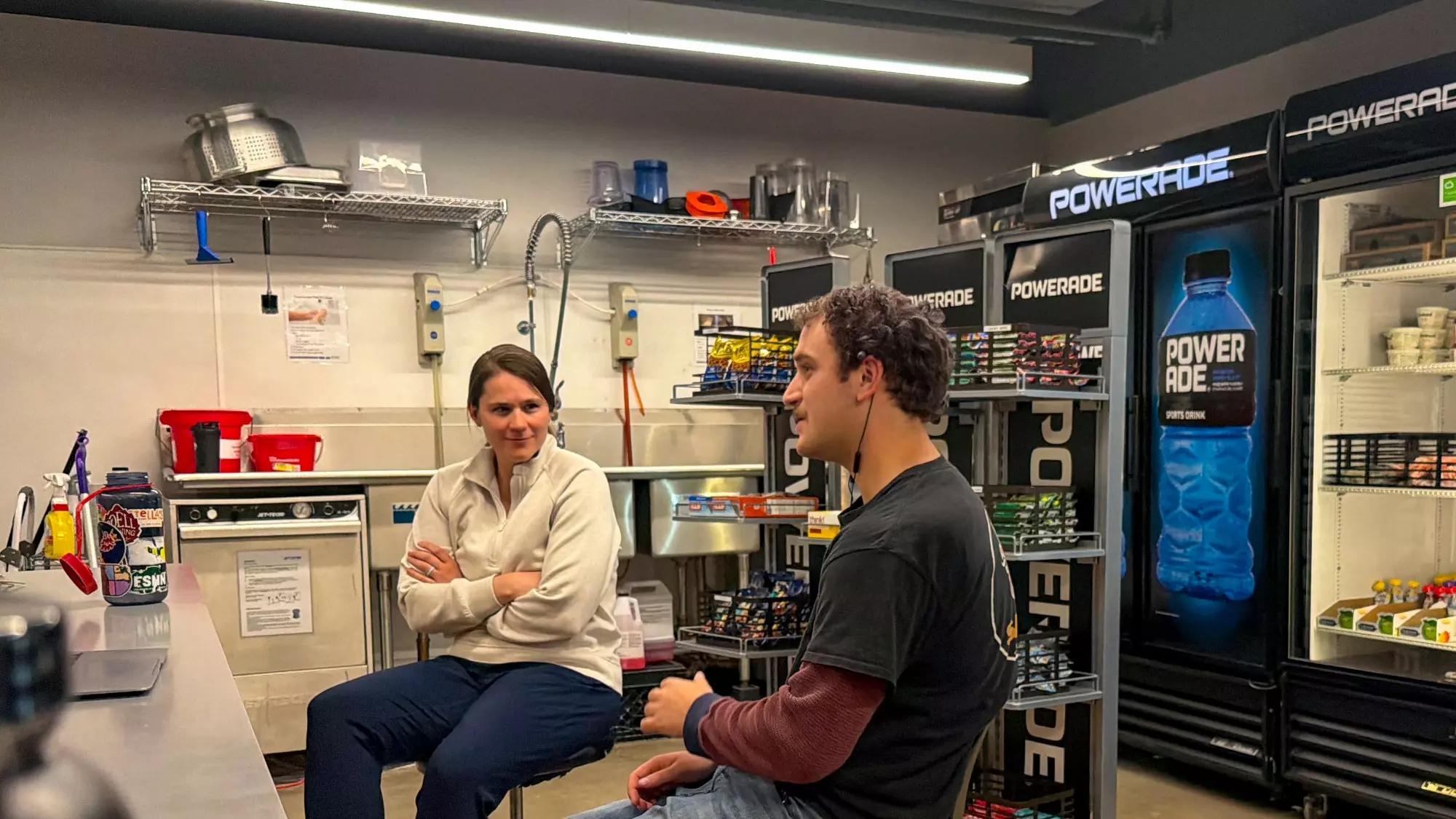
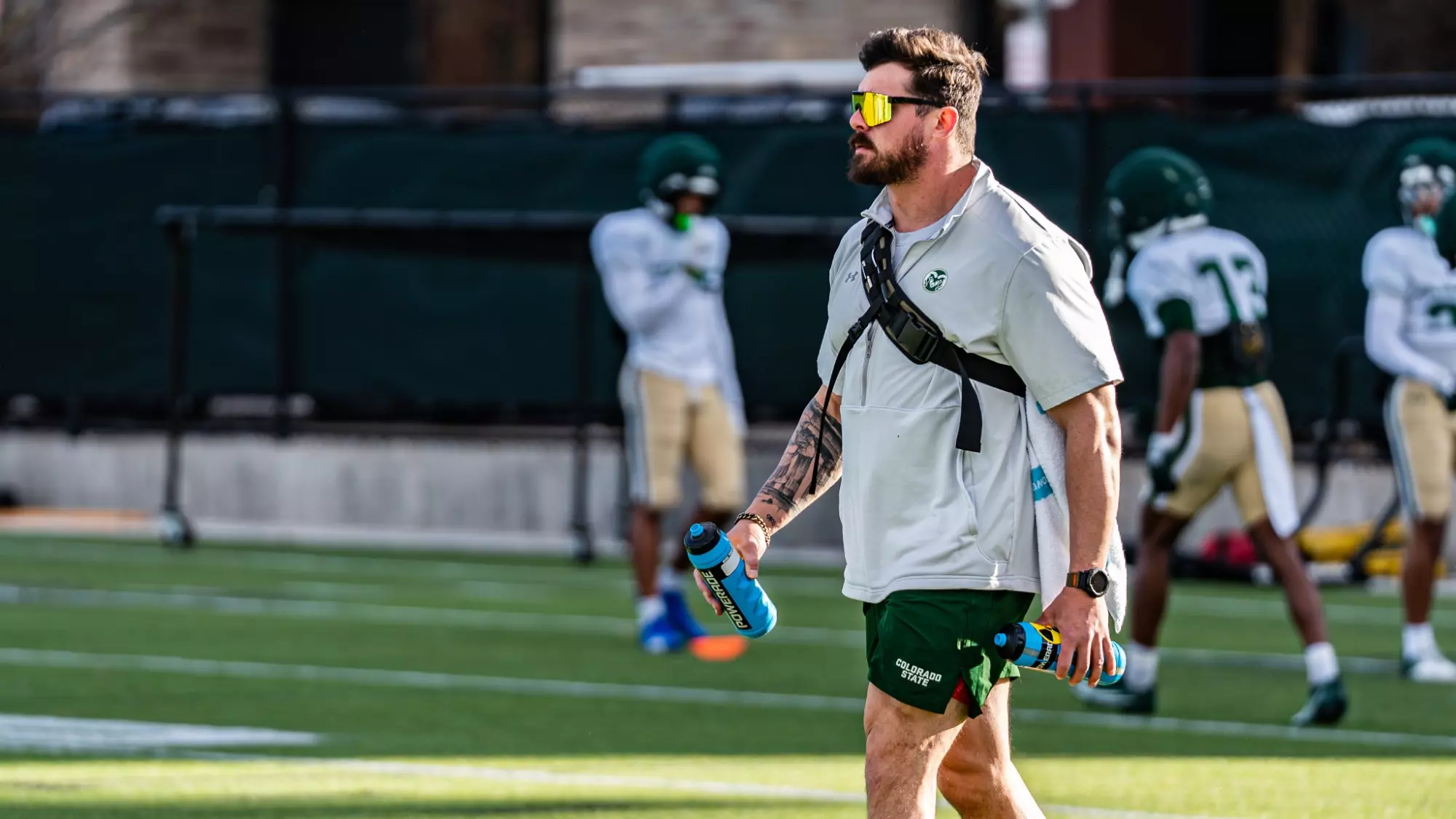
Haen spends most of his time at Canvas Stadium working with football, while Skinner and Fravel work with the teams housed at Moby and over at Morris, but they all collaborate to craft the ideal plan to cover the entire department.
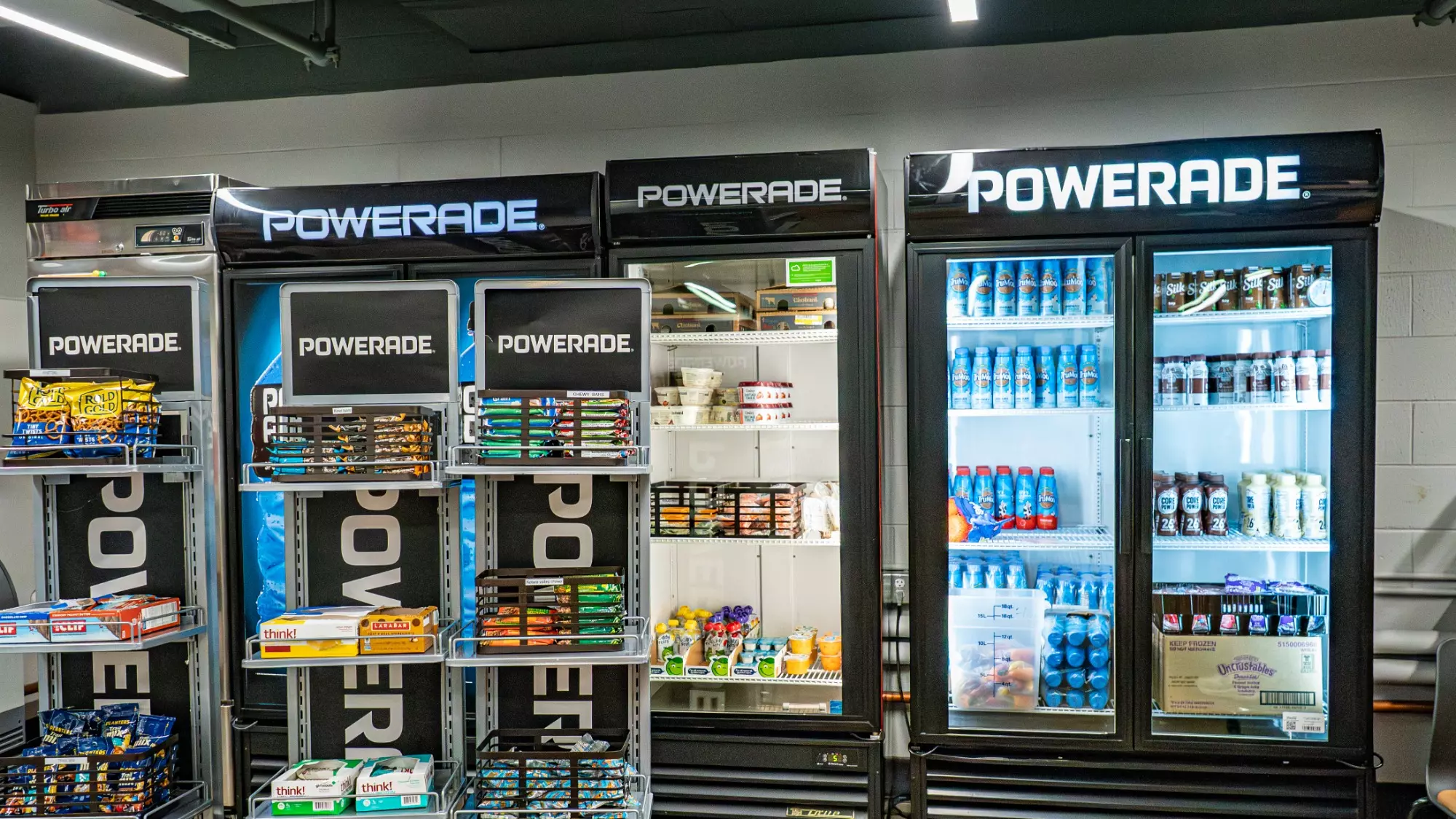
Training tables have long been in practice for the ticketed sports, but one of the major changes at Colorado State was extending it to all teams. Without a dedicated space to provide a meal, the plan was devised for grab-and-go meals, available at the fueling stations in the athletic department.
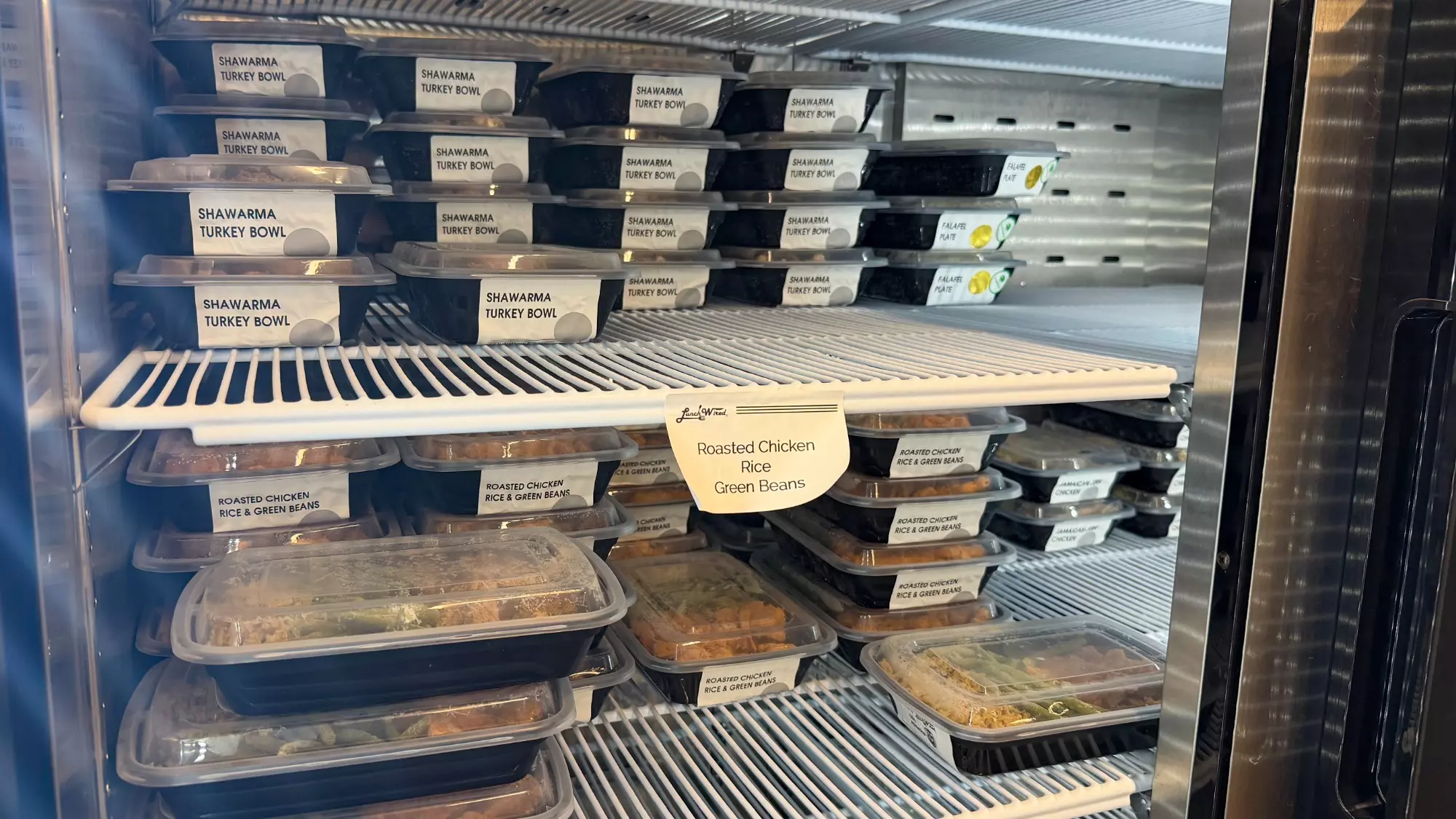
The meals are designed to meet needs and color coded for ease of selection. They are frozen, so they can last in a backpack for a spell, and easy to heat up when ready. They have been a hit for student-athletes on the go.
“Honestly, it’s the ease. I feel like being a student-athlete here at CSU, there's so much more demand than from my previous school. It's always go, go, go, and I don't even have the time on the weekends to meal prep because my course load is so much, so I'm doing homework,” tennis player Hanna Haber said. “It just makes my life so much easier, so much more convenient, and I know it's clean, simple, healthy ingredients.
“Seeing the nutrition label is great. In certain sports, you have to count your calories, and you have to track what you're doing. So, if I'm mentally tracking my calories, it's really, really good for that, especially now that I'm in my off season. For me, what I look at most is how many grams of protein are in it, and it says it specifically.”
Haber worked with a personal nutritionist before coming to Colorado State. She’s also someone with dietary restrictions, which she said Colorado State has met. She knows from personal experience that isn’t always the case, making it particularly helpful for her.
She wasn’t alone on the tennis team. Most of the members have used the grab-and-go meals throughout the season, more often at certain points depending on travel and practice schedules. When she came to campus, she took advantage of the staff nutritionists, primarily Fravel. It’s a benefit she would suggest taking advantage of to her peers.
“It's so helpful. I didn't realize that this was a resource before I came to CSU and I'm so grateful that I've been able to utilize it and learn from it because I feel like it's given me the opportunity to set myself up for life,” she said. “I'm just so grateful that I got to have the opportunity to get all this knowledge.”
Now that Skinner and Haen have had some time to get acclimated to what was on hand and start to set their ideas in motion, the next step is initiating the next steps.
One of the first was having the fueling stations open more often than they had been. The goal is 6:30 a.m.-5:30 p.m., which has been made possible by having nearly 25 students and volunteers to help operate them. There have been gaps in the middle of the day, but Skinner said they are working to close them as much as possible.
Much of the education can be broad in delivery, but some is targeted. The freshmen eating in dorms need to form good habits. So do those cooking for themselves off campus, and the creation of food-delivery services from restaurants have created another set of rules. Haen has created nutrition handbooks for teams.
They’ve made recipes available, but they also understand not every student comes to campus knowing how to cook, with both saying the relationship with food science and human nutrition on campus is strong, with their hope it can lead to using the teaching kitchens to conduct classes for the student-athletes on campus.
Just as valuable to them is the relationship they have with the strength and conditioning staffs, who help keep them informed of where teams are at in training cycles and how that can impact the needs in the moment.
“I think being involved in all those different spaces, whatever capacity that looks like, is important. In the football world, everybody's always around the building, but on this side, being around as much as you can -- Megan's at basketball practice and John's at soccer practice -- having that message be heard only helps to push our envelope further,” Haen said. “I think that's been a big thing with all the different places that we've come from that we've really pushed is getting that message out. I think when it gets echoed by your strength coaches, when it gets echoed by your athletic trainers, your position coaches, it only helps us to continue to level up our standard.”
One they expect to elevate entering year two, by being present and presenting. That will grant them access to the most important place of all, the student-athlete’s headspace.
Support Colorado State Athletics: Tickets | Ram Club | CSU NIL Marketplace