


Colorado State University Athletics
Thanksgiving Day 1899 launched Border War and controversy over its first game that remains today
11/6/2015 12:00:00 AM | Football
By John Hirn
CSU Athletic Historian
FORT COLLINS, Colo. - On Saturday, the Rams and Cowboys will face off in the 106th version of the Border War. Unless you are from north of the border and then it will be the 107th meeting of the two ancient rivals.
Why is there a discrepancy in the number of games?
The feud between CSU and Wyoming began on Thanksgiving Day, Nov. 30, 1899 in Laramie, Wyo., before a heated crowd of Cowboys fans. It was the first season of Wyoming football and the first full season of football for the Colorado Aggies since it had been banned in 1894. Both schools were eager to play one another, and on the Thanksgiving holiday as well.
It would mark the first time any CSU football team played outside the borders of Colorado and would go down as one of the most controversial games for many years to come.
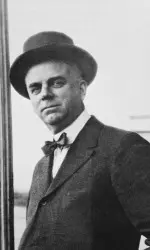
The Aggies, led by Coach William J. Forbes, traveled to Laramie with Professor Edward House who would act as the CAC representative on the officiating crew. In that day each school provided their own official and House started the game as the referee.
It was reported by the Fort Collins Express, precursor of the Fort Collins Coloradoan, along with the Collegian newspapers that the Wyoming crowd had been very loud and unruly toward the visiting Aggies. The two teams took to a windy field in Laramie, reportedly covered with rocks and one of the two Aggies brothers named Emigh scored a quick touchdown to open the game.
The Express article went on to report that Professor House, acting as referee, was "insulted, cursed and abused in a way that was new to him, at least. Every decision he made was questioned if it happened to be unfavorable to Laramie." The Wyoming crowd would not only frequently berate House that they should have a second down when it was third down, but also frequently stormed onto the field shaking their fists and canes at House and the visiting Aggies football team; cursing at them and saying "Kill the __ __ __! Kill the whole outfit! Mob them right here!"
After these violent actions, House had to stop the game clear the field and resume play without the Laramie fans in the way of the game. Finally after the first half, House had seen enough of this action and traded with Wyoming's official, Mr. E.D. McArthur, who then became referee and House became the umpire.
Once this occurred, McArthur is said to have favored Wyoming in its plays and did not allow the Aggies any fair breaks. In one event, McArthur awarded Wyoming a first down even after Aggies captain Newell asked for a measurement of the ball that clearly showed the Cowboys had missed it by more than one foot.
The final straw came with only two minutes remaining in the strange and violent game. Professor House ruled that a Wyoming player had used his hands or arms to guard another player. It was known as Rule 17 in the official football rules of the day and was one that the umpire called, not the referee.
When a player broke Rule 17, the penalty would be for the team with the ball to surrender it to the opposing team at the spot of the foul. (Remember, this is a very different game of football than we have known since 1912). The rule continues to state that if the team refuses to abide by this rule then they will forfeit the game.
Referee McArthur then declared that he himself overruled the penalty and that Wyoming should keep the ball and play to continue. Professor House then took out the rule book, showing it to McArthur who then slapped the book from the hands of House and yelled that he "did not give a damn for the rules."
Professor House then called that the Aggies win the game 11-0 by forfeit and the boys from Fort Collins walked off the field. It was then that the Wyoming team, being directed by Referee McArthur to pick up the ball and run it in for a touchdown and thus claimed the game as theirs by a score of 16-12. (At the time of the incident, the score had been 12-11 in favor of CAC).
This incited a bit of a riot on the field with Aggies quarterback Mills being struck on the head by a cane.
CAC President Barton Aylesworth declared that Wyoming could never play his school in any athletic event until a written apology from the university had been sent to him. The Laramie Republican newspaper agreed with House's ruling as the umpire of the game. The writers in the Collegian, student newspaper of Colorado Agricultural College, continued to berate the Wyoming fans in its December issue about the incident.
When CSU revised its media guide in 2009, it was decided that since the NCAA does not recognize forfeited games that were not completed, this game along with the 1901 CU forfeit and the 1900 forfeit to the University of Northern Colorado was struck from their records. However, Wyoming continues to recognize the 1899 game, despite its controversial ending. Thus the difference of one game between the two rivals continues today.
This is what rivalries are made of and it will forever go down as the tumultuous beginning of the great CSU/Wyoming Border War.
CSU Athletic Historian
FORT COLLINS, Colo. - On Saturday, the Rams and Cowboys will face off in the 106th version of the Border War. Unless you are from north of the border and then it will be the 107th meeting of the two ancient rivals.
Why is there a discrepancy in the number of games?
The feud between CSU and Wyoming began on Thanksgiving Day, Nov. 30, 1899 in Laramie, Wyo., before a heated crowd of Cowboys fans. It was the first season of Wyoming football and the first full season of football for the Colorado Aggies since it had been banned in 1894. Both schools were eager to play one another, and on the Thanksgiving holiday as well.
It would mark the first time any CSU football team played outside the borders of Colorado and would go down as one of the most controversial games for many years to come.
The Aggies, led by Coach William J. Forbes, traveled to Laramie with Professor Edward House who would act as the CAC representative on the officiating crew. In that day each school provided their own official and House started the game as the referee.
It was reported by the Fort Collins Express, precursor of the Fort Collins Coloradoan, along with the Collegian newspapers that the Wyoming crowd had been very loud and unruly toward the visiting Aggies. The two teams took to a windy field in Laramie, reportedly covered with rocks and one of the two Aggies brothers named Emigh scored a quick touchdown to open the game.
The Express article went on to report that Professor House, acting as referee, was "insulted, cursed and abused in a way that was new to him, at least. Every decision he made was questioned if it happened to be unfavorable to Laramie." The Wyoming crowd would not only frequently berate House that they should have a second down when it was third down, but also frequently stormed onto the field shaking their fists and canes at House and the visiting Aggies football team; cursing at them and saying "Kill the __ __ __! Kill the whole outfit! Mob them right here!"
After these violent actions, House had to stop the game clear the field and resume play without the Laramie fans in the way of the game. Finally after the first half, House had seen enough of this action and traded with Wyoming's official, Mr. E.D. McArthur, who then became referee and House became the umpire.
Once this occurred, McArthur is said to have favored Wyoming in its plays and did not allow the Aggies any fair breaks. In one event, McArthur awarded Wyoming a first down even after Aggies captain Newell asked for a measurement of the ball that clearly showed the Cowboys had missed it by more than one foot.
The final straw came with only two minutes remaining in the strange and violent game. Professor House ruled that a Wyoming player had used his hands or arms to guard another player. It was known as Rule 17 in the official football rules of the day and was one that the umpire called, not the referee.
When a player broke Rule 17, the penalty would be for the team with the ball to surrender it to the opposing team at the spot of the foul. (Remember, this is a very different game of football than we have known since 1912). The rule continues to state that if the team refuses to abide by this rule then they will forfeit the game.
Referee McArthur then declared that he himself overruled the penalty and that Wyoming should keep the ball and play to continue. Professor House then took out the rule book, showing it to McArthur who then slapped the book from the hands of House and yelled that he "did not give a damn for the rules."
Professor House then called that the Aggies win the game 11-0 by forfeit and the boys from Fort Collins walked off the field. It was then that the Wyoming team, being directed by Referee McArthur to pick up the ball and run it in for a touchdown and thus claimed the game as theirs by a score of 16-12. (At the time of the incident, the score had been 12-11 in favor of CAC).
This incited a bit of a riot on the field with Aggies quarterback Mills being struck on the head by a cane.
CAC President Barton Aylesworth declared that Wyoming could never play his school in any athletic event until a written apology from the university had been sent to him. The Laramie Republican newspaper agreed with House's ruling as the umpire of the game. The writers in the Collegian, student newspaper of Colorado Agricultural College, continued to berate the Wyoming fans in its December issue about the incident.
When CSU revised its media guide in 2009, it was decided that since the NCAA does not recognize forfeited games that were not completed, this game along with the 1901 CU forfeit and the 1900 forfeit to the University of Northern Colorado was struck from their records. However, Wyoming continues to recognize the 1899 game, despite its controversial ending. Thus the difference of one game between the two rivals continues today.
This is what rivalries are made of and it will forever go down as the tumultuous beginning of the great CSU/Wyoming Border War.
Inside The Tight End Room | Colorado State Football | Rams Live
Monday, May 11
Inside the Quarterback Room | Colorado State Football | Rams Live
Friday, May 08
Inside the Nickelback Room | Colorado State Football | Rams Live
Monday, April 27
Inside the Safety Room | Colorado State Football | Rams Live
Friday, April 24